
Essential Doc Reads is our curated selection of recent features and important news items about the documentary form and its processes, from around the internet, as well as from the Documentary magazine archive. We hope you enjoy! Rebecca Green from Dear Producer discusses the ever-growing busyness of producers and the limits of producing work when streaming is devaluing documentaries in pursuit of money grabs. Through quotes from producers struggling in the industry, as well as a timeline of events in 2022, Green delves into the complexities of creating meaningful content in this climate. The
Latest Posts

By May 2000, the fear of an impending apocalypse dimmed. The Y2K glitch, the much-hyped computer error that supposedly stemmed from the inability of computers around the world to distinguish the difference between 1900 and 2000 due to being coded to only read the last two digits of a year, was meant to usher in a Mad Max-level reset. The new millennium would usher in wiped-out bank accounts, airplanes freefalling from the skies, and self-terminating power grids once the clock struck midnight on New Year’s Eve 2000. At my conservative Christian school in John McCain’s Phoenix, Arizona, I

It was around 2005 and I stared at the TV screen in my parent's living room in awe. The credits for Tarnation—directed, produced, and edited by Jonathan Caouette, and executive-produced by John Cameron Mitchell and Gus Van Sant—rolled over black. The film’s experimental form felt like a fever dream—or nightmare. Made almost entirely out of archival photos, home videos, and first-person camera work edited on iMovie, Tarnation is Caouette’s autobiographical journey through the madness surrounding him and his profound love for his mentally ill mother, Renee Le Blanc—and a deeply personal portrait

Oscar-nominated filmmaker Sami Khan ( St. Louis Superman) and immersive producer-sound artist-director Michael Gassert’s POV-premiering (October 3, and streaming on PBS.org through November 16) documentary The Last Out “explores the shadowy nexus of pro sports and the migrant trail,” according to its accurate, yet humbly incomplete, synopsis. This riveting, multiyear portrait of collective self-sacrifice, which follows a trio of Cuban athletes who leave their home island to pursue the American (baseball) dream, is much more than the sum of any catchy logline. Above all, it’s a heartfelt look

Screen Time is your curated weekly guide to excellent documentaries and nonfiction programs that you can watch at home. Now more than ever, people are reclaiming narratives to ensure their voices are heard. Misrepresentations and tropes about marginalized groups in the media have been an issue since its inception. These documentaries are giving power back to the people and allowing often skewed stories to be steered straight. From POV, Nausheen Dadabhoy’s An Act of Worship, an IDA Enterprise Documentary Fund grantee, reflects on the experience of Muslim people in the US over the past 30 years
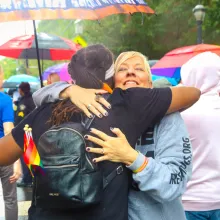
Have you ever had an experience that was so powerful it knocked you out of your body? And even as the event was still unfolding, the objective, analytical part of your consciousness was standing off to the side practically shouting, “Is this really happening? Or am I dreaming?!!” I’ve had the pleasure of this strange experience twice in the last few months at screenings for my new documentary, Mama Bears, which premiered in March at SXSW. The first time was during a Q&A session at the Seattle International Film Festival when a sweet-faced, middle-aged woman raised her hand to say she was an
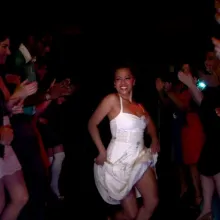
Screen Time is your curated weekly guide to excellent documentaries and nonfiction programs that you can watch at home. October is a month for expressions–whether it be through celebrating LGBTQ+ History Month, or syncing with the spooky season. This week’s list of documentaries highlights narratives, many of which are queer, rooted in self-expression in pursuit of fulfillment. From Outfest’s the outmuseum.org comes Pele (Skin), a short documentary by Adam Golub and Liana Nigri that shares the experiences of a trans teenager and activist living on the streets of Rio de Janeiro. Rather than

Winner of the Directing Award for US Documentary at this year’s Sundance Film Festival, Reid Davenport’s debut feature, I Didn’t See You There, is, according to the Stanford-trained filmmaker, a doc “about disability from an overtly political perspective”— i.e., the kind of cinematic project the TED fellow and one of DOC NYC’s 2020 “40 Filmmakers Under 40” has long been pursuing with his accolade-laden shorts ( A Cerebral Game; Wheelchair Diaries: One Step Up; Ramped up, et al). And it’s equally an art film; informed by the personally lensed work of visionaries ranging from Chantal Ackerman to

“Right now the system—that's the sad part of this collapsing system—is basically taking advantage that there are so many filmmakers that are clueless,” Cinema Tropical Co-Founder Carlos A. Gutiérrez shares out loud what everyone knows about distribution and exhibition. The system is broken and opaque, and the consolidation of the market is at an all-time high. The streaming giants are calling the shots, one true-crime show after another, having become de facto studios, distributors and exhibitors all at once—monopolies who decide what everyone watches. Yet, they also fund much of the system
A Letter From Hajnal Molnar-Szakacs, Director of Artist Accelerator Program at Sundance Institute Nonfiction storytellers and their work have been deeply impacted by recent world events, public health crises, and overdue reckonings. The impact on the field has been far-reaching and complex. This has manifested in various ways including the ongoing need to address sustainability, safety, and security, as well as a desire for holistic culture change to make the field more inclusive, accessible, and grounded in values-based ethics-first filmmaking practice. Six years ago, Sundance Institute and