

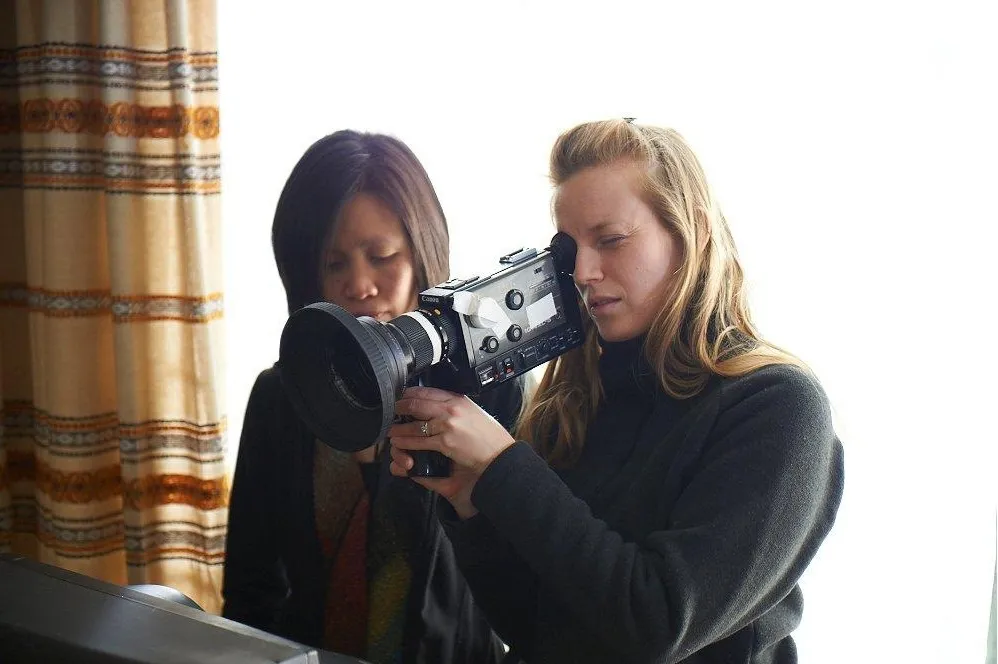
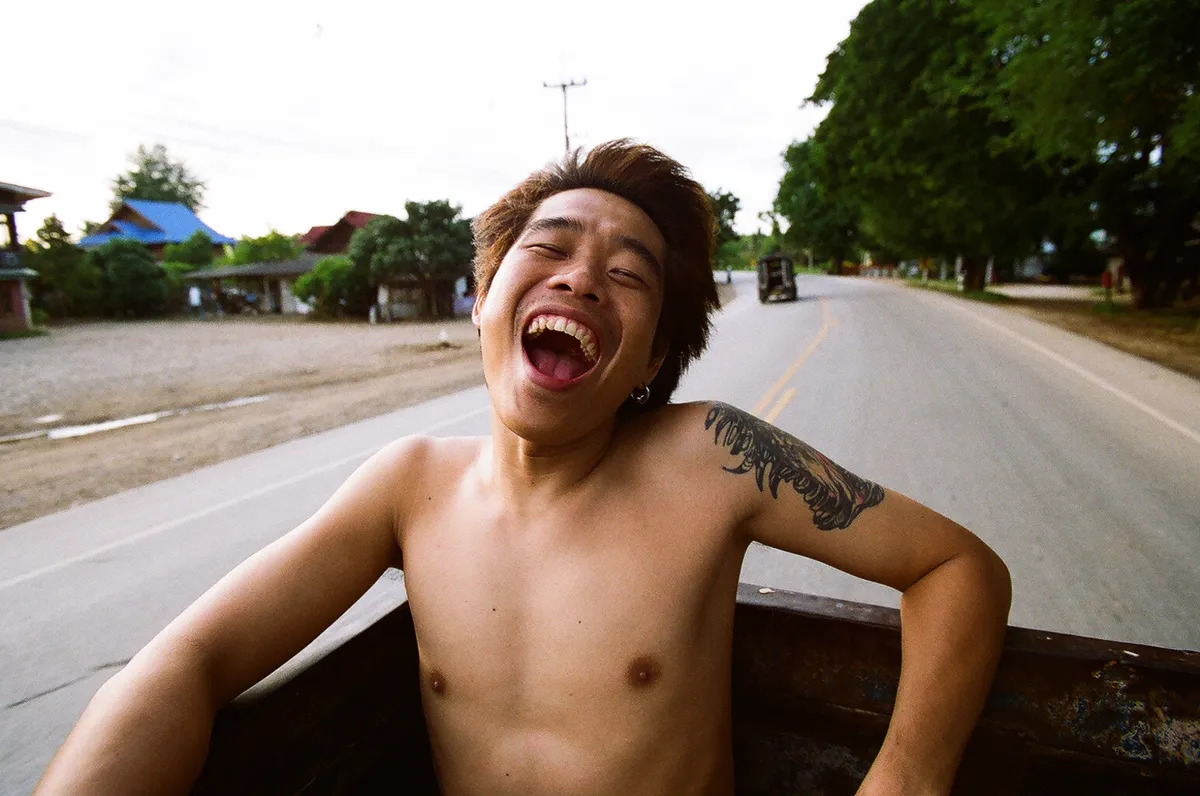
'The Missing Picture' screens February 20 as part of IDA's The Art of Documentary screening series.
Asian Media

'Ai Weiwei: Never Sorry' opens in theaters July 27 through Sundance Selects.
While finding its footing, the 2nd edition of the Bangkok-set fest highlights stories of homecoming in more ways than one
In this interview, filmmaker Vee Shi discusses Time and Tide, his reticence toward making a documentary about his parents, and grappling with shifting
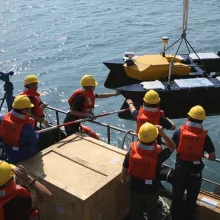
China’s first documentary Oscar submission, The Sinking of the Lisbon Maru, demonstrates how “independent” can become an economic designation divorced
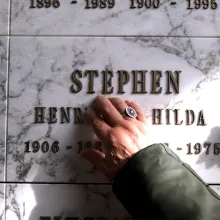
In this interview, Mary Stephen reflects on decades spent shaping other filmmakers’ narratives before turning to her own family in Palimpsest: The
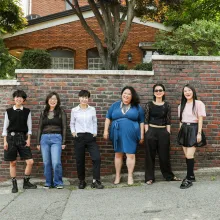
Formed over two decades ago, a Korean queer feminist collective “putting aesthetics into praxis” considers streaming and festival success
Well-regarded as a champion of independent and alternative cinema, South Korea’s second-largest festival proudly tackles the contemporary political

When does childhood end? This slippery question becomes the crux of Chinese filmmaker Deming Chen’s second feature documentary, Always. The film, which won the top prizes at CPH:DOX and Jeonju over the past two months, centers on an 8-year-old boy, Gong Youbin, and his family in a small village in southern China’s Hunan province. Before the film’s North American premiere at Hot Docs, Chen and Producer Hansen Lin shared with Documentary the feedback they received at different labs and forums, the selection of poems for their film, and the approach of prioritizing emotions, rather than logic, in crafting the story.
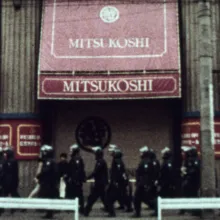
On October 8, 1968, a .22 caliber Rohm RG-10 handgun––colloquially known as a “Roscoe”––was stolen from a U.S. Naval Base in Yokosuka. Over the course of the next month, four shootings took place in Tokyo, Kyoto, Hokkaido, and Nagoya. The perpetrator, Norio Nagayama, was arrested and imprisoned the following April, two months shy of his 20th birthday. The cold, hard facts of this teenage murderer’s case served as the basis for Masao Adachi’s pioneering, hauntological landscape documentary A.K.A. Serial Killer, completed in 1969 but not shown publicly until 1975.