As we sit in the “golden age of documentary,” the actual gold for many filmmakers, and especially for BIPOC, LGBTQ and disabled filmmakers, is specious. We glean this through a lot of anecdotes and what little data we have. The documentary field needs more researchers and policy makers to gather, demand, and make transparent hard data to reshape inequities in our field. If we cannot firmly identify what is fundamentally broken, our rebuild will be structurally unsound. In a 2018 “State of the Documentary Field” survey, the Center for Media & Social Impact found that 56 percent of respondents
Latest Posts

I am here to provide a China perspective and a feminist point of view, raising some questions about the face of working women, and rather than addressing what we are concerned about as filmmakers, distributors and human beings in a COVID 19 pandemic and politically chaotic era.
IDA also announced that filmmaker Manuel Acuña would be the first recipient of the IDA Netflix Global Emerging Filmmaker Award - a grant of $25,000.
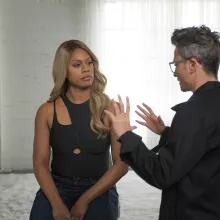
What I’m going to talk about today are three of those unseen practices in documentary filmmaking—compensating protagonists, empowering our crews, and questioning who is in leadership.
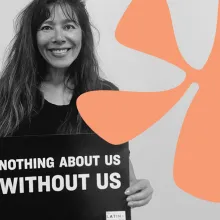
When we are fighting a pandemic and on the brink of environmental cataclysm and we can’t breathe and our children are locked in cages, what is our responsibility as artists?
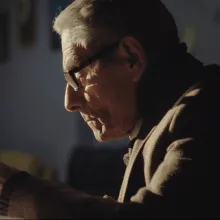
The Mole Agent is in a class by itself. For starters, documentaries about private detectives and their moles are exceedingly rare. What’s more, any film that mashes up vérité, film noir and Pink Panther tone is one of a kind.
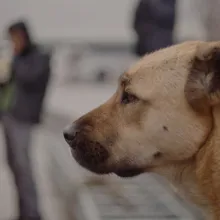
Stray, Elizabeth Lo’s feature debut, takes you inside the world of three street dogs in Istanbul. Zeytin, Nasar and little Kartal lead viewers into parts of Turkish society that cut across social strata, from fashionable shopping streets to construction sites to abandoned buildings where refugee squatters bunk down for the night. Without anthropomorphizing her three leads, Lo shows their lives to be rich with encounters, both human and canine. With quotes from Diogenes, the Greek philosopher who based his code of conduct on his dog Antisthenes, Stray examines the age-old relationship between
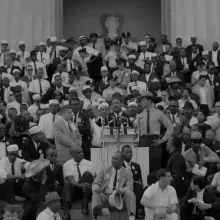
“We are not makers of history. We are made by history” —Martin Luther King Jr. MLK/FBI, currently streaming via IFC Films, is director Sam Pollard’s most impressive work yet. Pollard boldly and creatively examines Martin Luther King Jr. in an unfamiliar light. The story investigates FBI Director J. Edgar Hoover’s obsession with destroying Dr. King’s reputation, through surveillance and a general abuse of power. Hoover, who headed the FBI for nearly 50 years, feared King’s growing influence in the civil rights movement and labeled him “the most dangerous Negro in America”—the manifestation of
Essential Doc Reads is our curated selection of recent features and important news items about the documentary form and its processes, from around the internet, as well as from the Documentary magazine archive. We hope you enjoy! Filmmaker Laura Poitras published an open letter this past week about her having been fired from First Look Media, which owns both The Intercept and Field of Vision, the documentary platform she founded in 2015 with A.J. Schnack and Charlotte Cook. IndieWire’s Eric Kohn reached out to Poitras for further details. As journalists, we have an obligation to protect
Crip Camp wins Best Feature; Garrett Bradley wins Best Director for Time; John Was Trying to Contact Aliens wins Best Short.