Greatest Docs of the 21st Century: Top 25 List
As voted by over 300 members of the documentary community, including filmmakers, producers, programmers, academics, and critics.
1. The Act of Killing, Joshua Oppenheimer, 2012
2. O.J.: Made In America, Ezra Edelman, 2016
3. I Am Not Your Negro, Raoul Peck, 2016
4. Cameraperson, Kirsten Johnson, 2016
5. Stories We Tell, Sarah Polley, 2012
6. The Gleaners and I, Agnés Varda, 2000
7. Hale County This Morning This Evening, RaMell Ross, 2018
8. No Other Land, Basel Adra, Hamdan Ballal, Yuval Abraham, and Rachel Szor, 2024
9. Bowling for Columbine, Michael Moore, 2002
10. Minding the Gap, Bing Liu, 2018
11. Man on Wire, James Marsh, 2008
12. Citizenfour, Laura Poitras, 2014
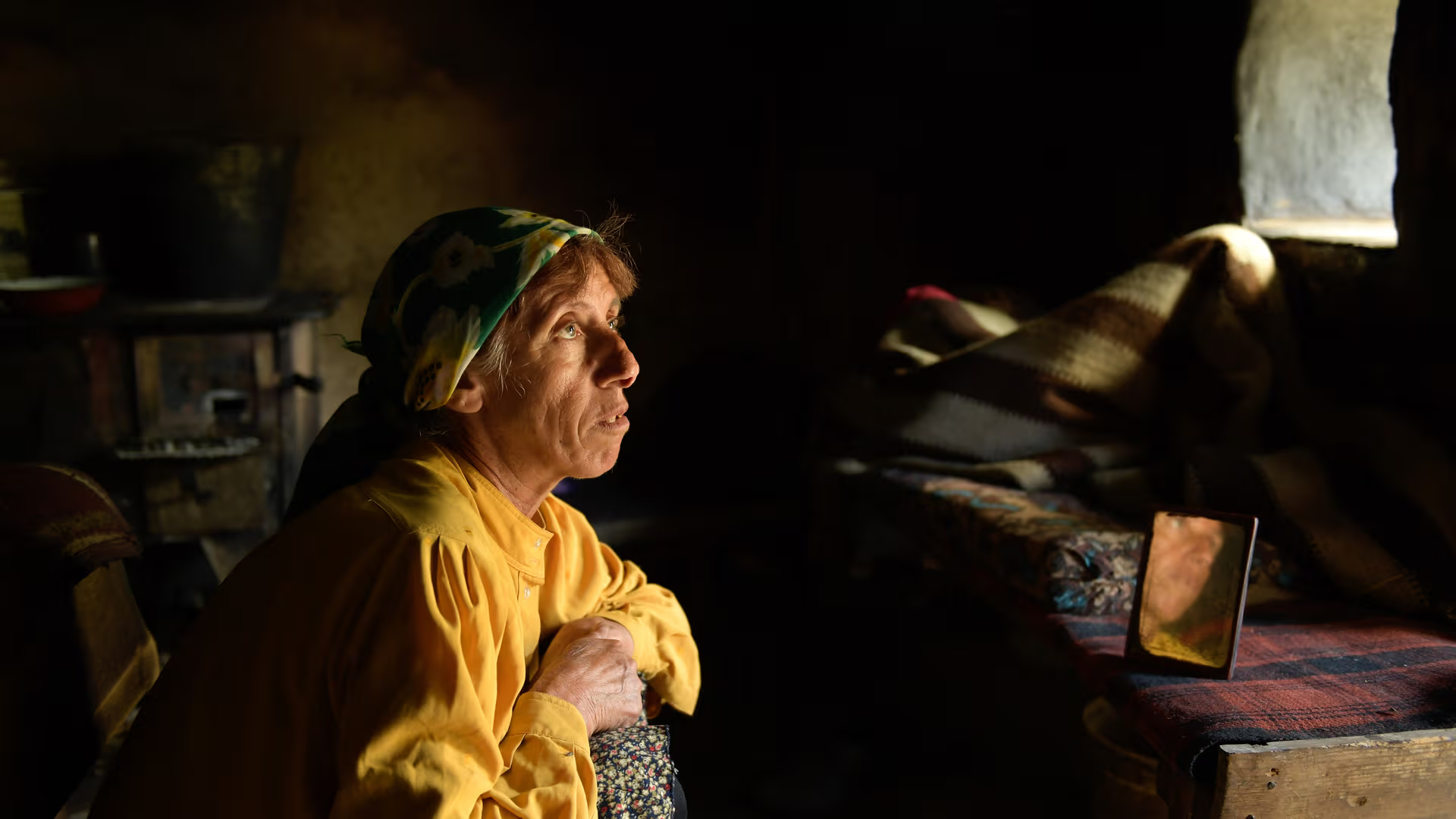
13. Honeyland, Tamara Kotevska and Ljubomir Stefanov, 2019
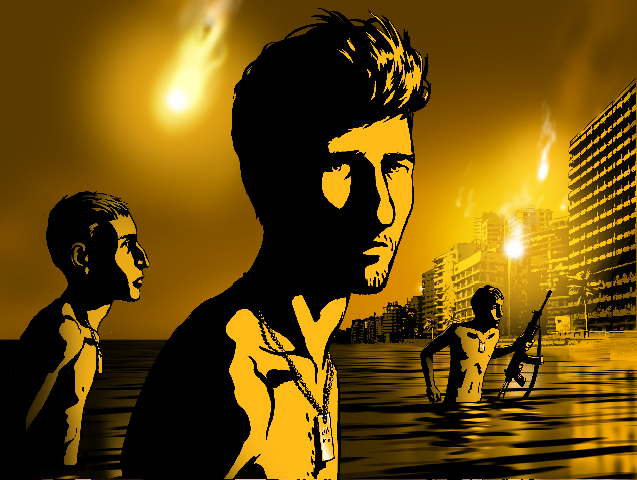
14. Waltz With Bashir, Ari Folman, 2008
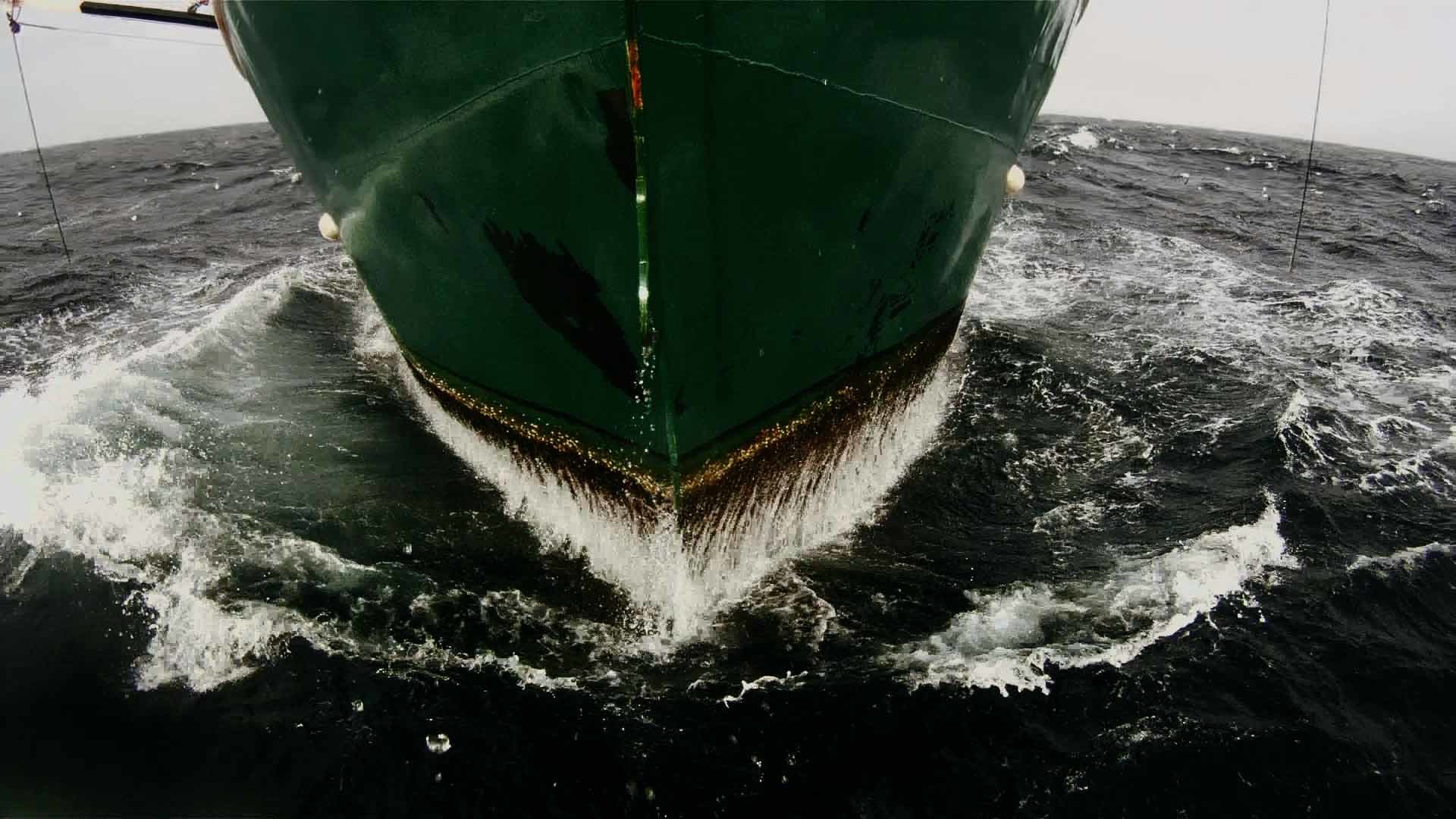
15. Leviathan, Véréna Paravel and Lucien Castaing-Taylor, 2012
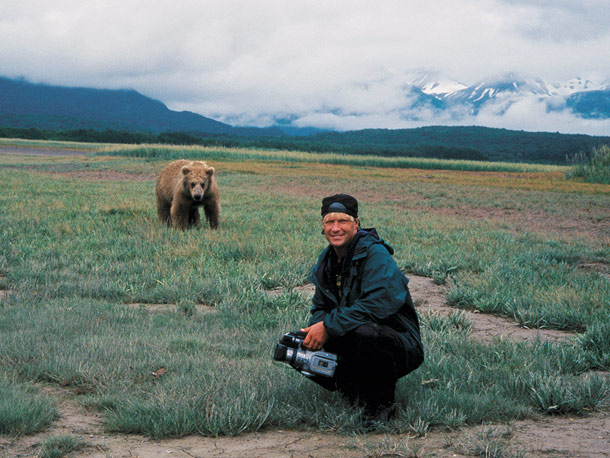
16. Grizzly Man, Werner Herzog, 2005
17. Time, Garrett Bradley, 2020
18. Four Daughters, Kaouther Ben Hania, 2023
19. All the Beauty and the Bloodshed, Laura Poitras, 2022
20. The Fog of War, Errol Morris, 2003
21. Soundtrack to a Coup d'Etat, Johan Grimonprez, 2024
22. Navalny, Daniel Roher, 2022
23. An Inconvenient Truth, Davis Guggenheim, 2006
24. Dick Johnson is Dead, Kirsten Johnson, 2020
25. All That Breathes, Shaunak Sen, 2022
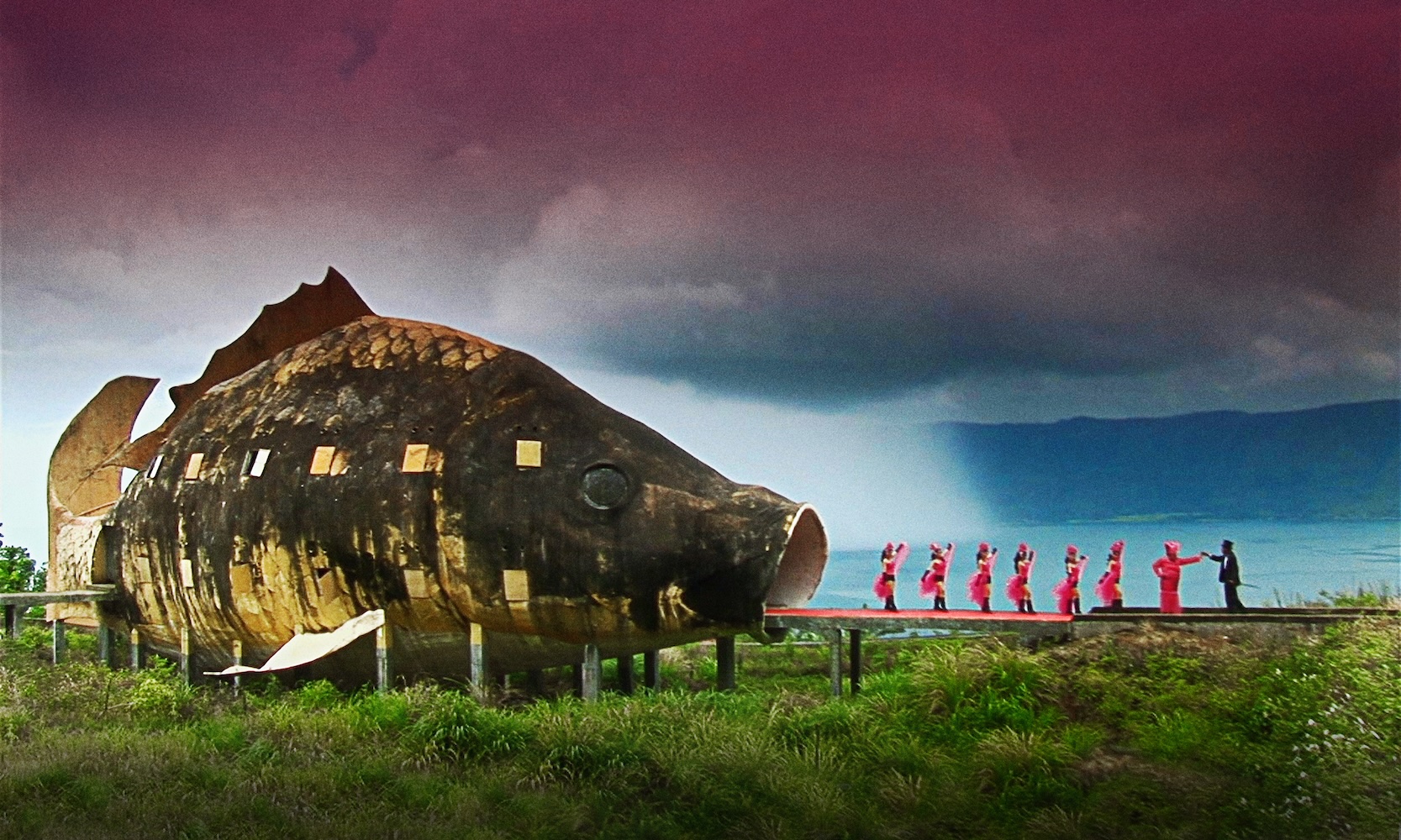
1. The Act of Killing
2012 | Denmark, Norway, UK, Indonesia | Dir. Joshua Oppenheimer | Producers: Signe Byrge Sorensen, Joram ten Brink, Anne Köhncke, Michael Uwemedimo, Joshua Oppenheimer, Christine Cynn, Anonymous
The Act of Killing dares to attempt the impossible. Combining the hard evidence of experience with epic flourishes of imagination in jaw-dropping juxtaposition, it incites the perpetrators of a genocide to face themselves. The work of Joshua Oppenheimer and his team of collaborators—many of whom were listed as “anonymous” in the credits in an effort to protect their lives upon the release of the film—truly went out on a limb by working with people who not only deluded themselves about what they did but were also still protected by the Indonesian government in power when the film was made, which benefited from their violence. To watch the film is to enter a bold and treacherous process of co-creation that invents a whole new cinematic way of looking unflinchingly and analytically into the voids of violence. That’s why the film will forever be disturbing, relevant, and an inspiration.
—Kirsten Johnson, filmmaker
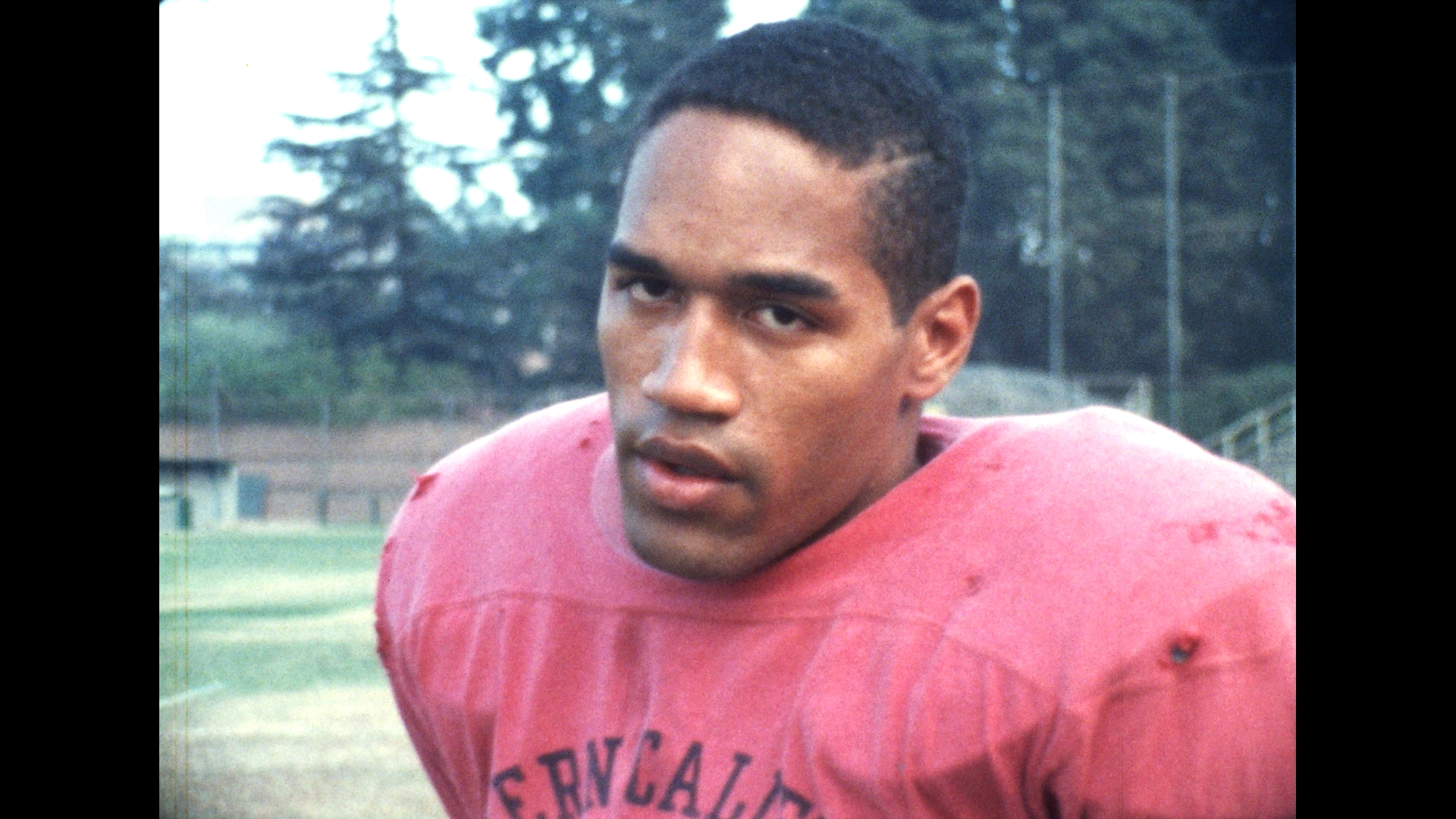
2. O.J.: Made in America
2016 | USA | Dir. Ezra Edelman | Producers: Ezra Edelman, Caroline Waterlow, Tamara Rosenberg, Nina Krstic, Erin Leyden, Deirdre Fenton, Connor Schell, Libby Geist
Ezra Edelman’s brilliant O.J.: Made in America is a Russian doll of filmmaking, blending craft, mystery, and magic making into an undeniable piece of American storytelling. This decade-old documentary foreshadowed the fascination with celebrity profiles and true crime that now dominates the landscape of nonfiction. But there are few filmmakers who approach nonfiction in the way that Edelman does. You cannot separate the film and the filmmaker. His approach is rooted in scope, framing, and exhaustive research. The results challenge the myths that we hold close and are prone to unconsciously protect. In this seven-and-a-half-hour documentary—which covers O.J. Simpson’s promising football career as well as the infamous murder of his wife, Nicole Brown Simpson, for which he was acquitted—Edelman offers an uncompromising cinematic experience, one that stresses how those much-mythologized celebrity figures are, in the end, human in all their complexity and even frailty.
—Peter Nicks, filmmaker
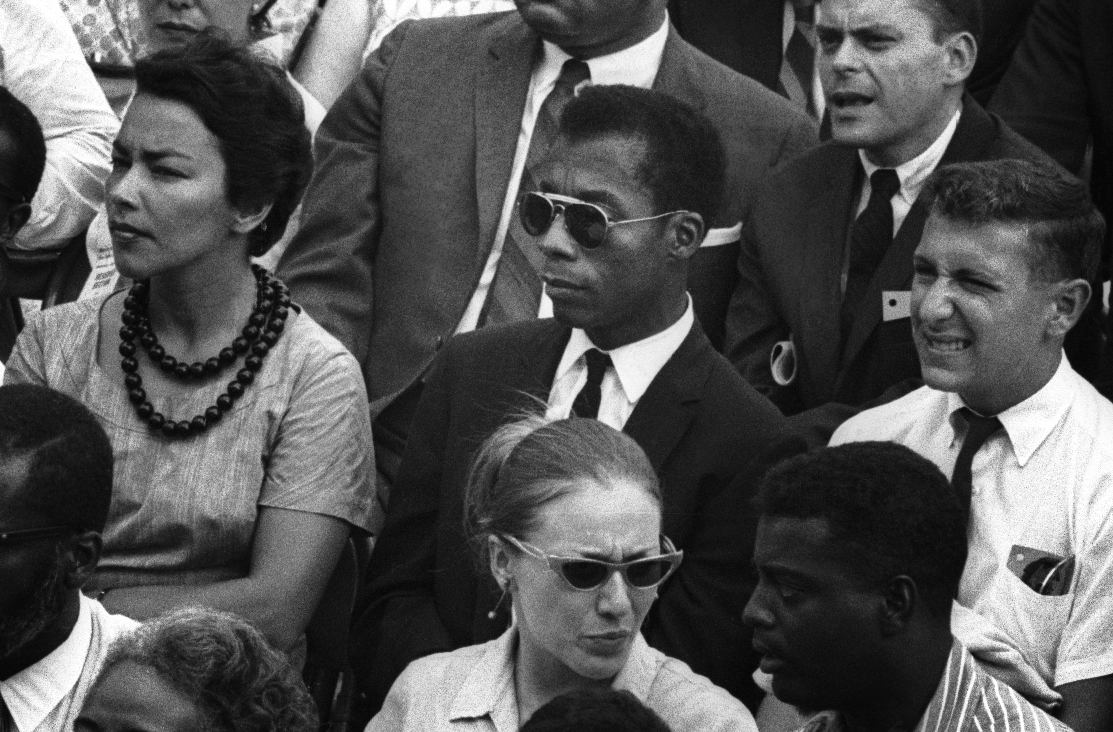
3. I Am Not Your Negro
2016 | Belgium, France, USA | Dir. Raoul Peck | Producers: Rémi Grellety, Raoul Peck, Hébert Peck, Patrick Quinet, Joëlle Bertossa
In I Am Not Your Negro, director Raoul Peck attempts to complete an unfinished memoir of James Baldwin, drawn from a mere 30-page draft left behind in his estate. Baldwin’s words alone, even at 30 pages, could likely carry a film. But it is Peck’s alchemical ability to weave his words over an assemblage of archival images, newsreels, commercials, film clips, and photos from the burgeoning Black Lives Matter movement that elevates Baldwin to a modern-day prophet, almost 30 years after his passing. If Baldwin was uniquely sage at diagnosing our country’s inability to honestly reckon with its intractable racism, Peck too is sage at producing the visual evidence for that diagnosis. Baldwin and Peck have seen too much to be optimists, but I Am Not Your Negro urges us to bear witness, act, and hope for a better future, against all odds.
—Sonya Childress, cultural worker
4. Cameraperson
2016 | USA | Dir. Kirsten Johnson | Producers: Kirsten Johnson, Marilyn Ness, Danielle Varga
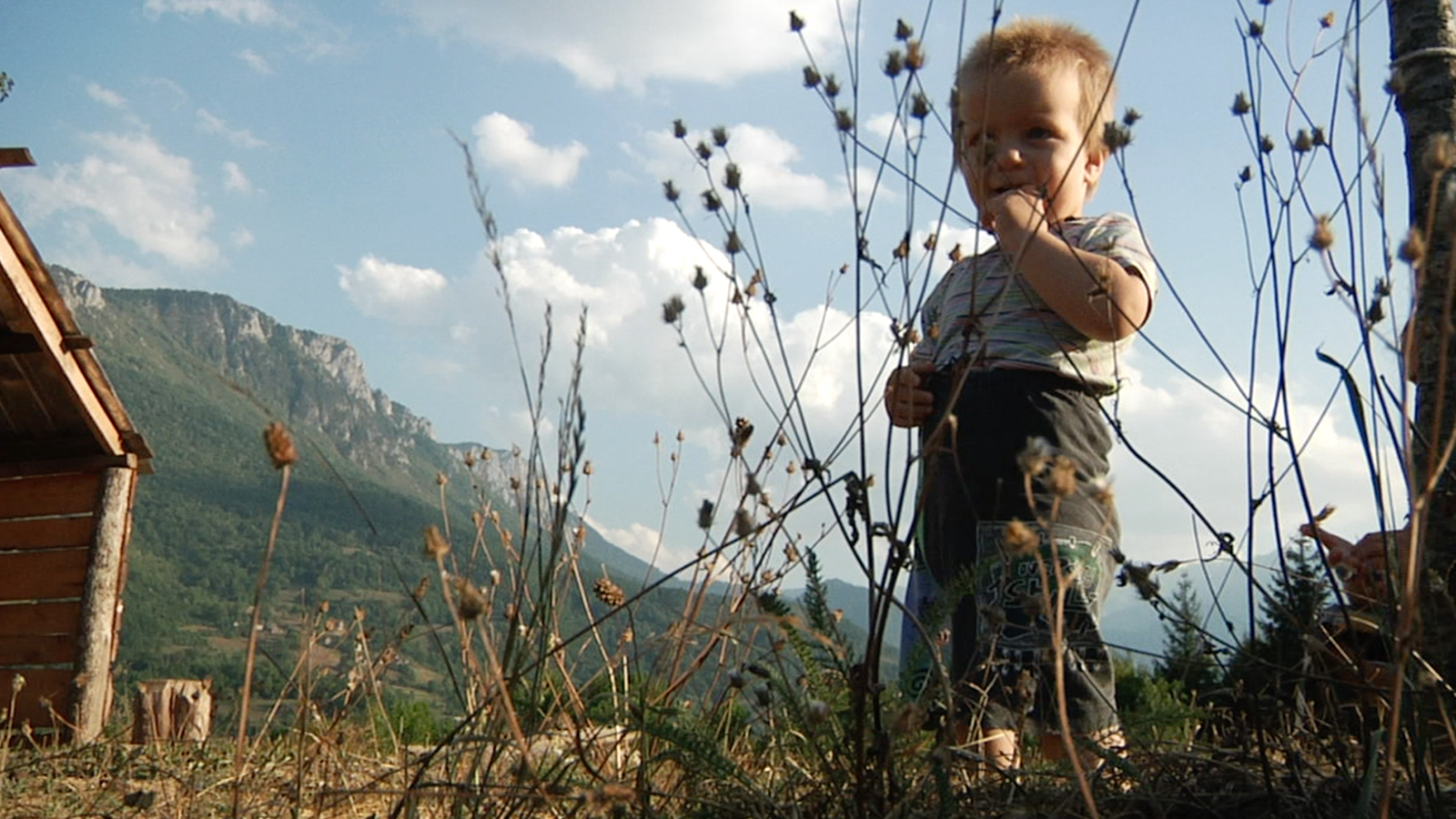
When I teach Kirsten Johnson’s Cameraperson to students, I call it the “decoder ring for documentary.” That’s not just professorial shorthand; the film, made from scrapped pieces of other films shot over Johnson’s illustrious career as a cinematographer and personal footage of her family, illuminates everything I know about documentary, all that I care about as a filmmaker and viewer, all I wonder about, worry about, and obsess over. The film is a miracle; what Johnson and editor Nels Bangerter crafted transcends process and gets right to the heart of the human negotiations that charge every interaction with a camera. The film is about a great filmmaker’s career, yes, but it’s also about all of us. Moments that resonate, the pain we take on, the grass that blocks the frame, the child with the ax. Cameraperson is about why we all do this. I remain profoundly grateful for it.
—Robert Greene, filmmaker
5. Stories We Tell
2012 | Canada | Dir. Sarah Polley | Producer: Anita Lee
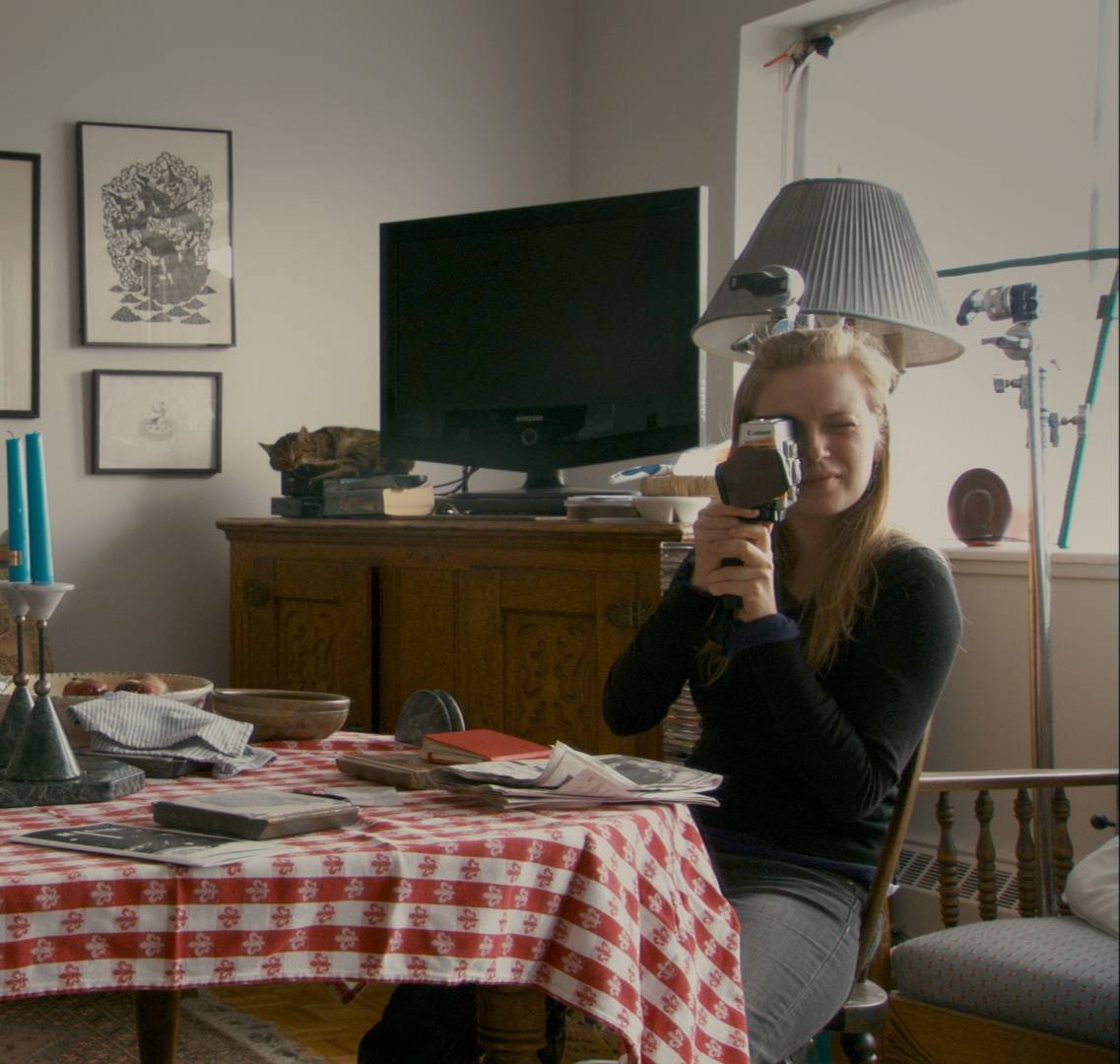
Michael Polley opens Stories We Tell with an affected piece of voiceover that sets the stage for what’s to follow. “When you’re in the middle of a story,” he says, “it isn’t a story at all.” Narratives are only created in and with hindsight. They are shaped as much by mood as by memory. Storytelling is the way to make sense of the “confusion” Michael talks about, a confusion that, in this case, belonged to the daughter he raised. The actress-turned-filmmaker wanted to learn more about her mother and the hushed, playful whispers that had always followed young Sarah, who looked nothing like her siblings. Assembling her family in order to make sense of the frayed memories she had of her late mother (and investigating her own parentage in the process), Polley is a wry, sly storyteller who turns a not-so-well-kept family secret into a playful, joyful provocation.
—Manuel Betancourt, critic
6. The Gleaners and I
2000 | France | Dir. Agnès Varda | Producer: Agnès Varda
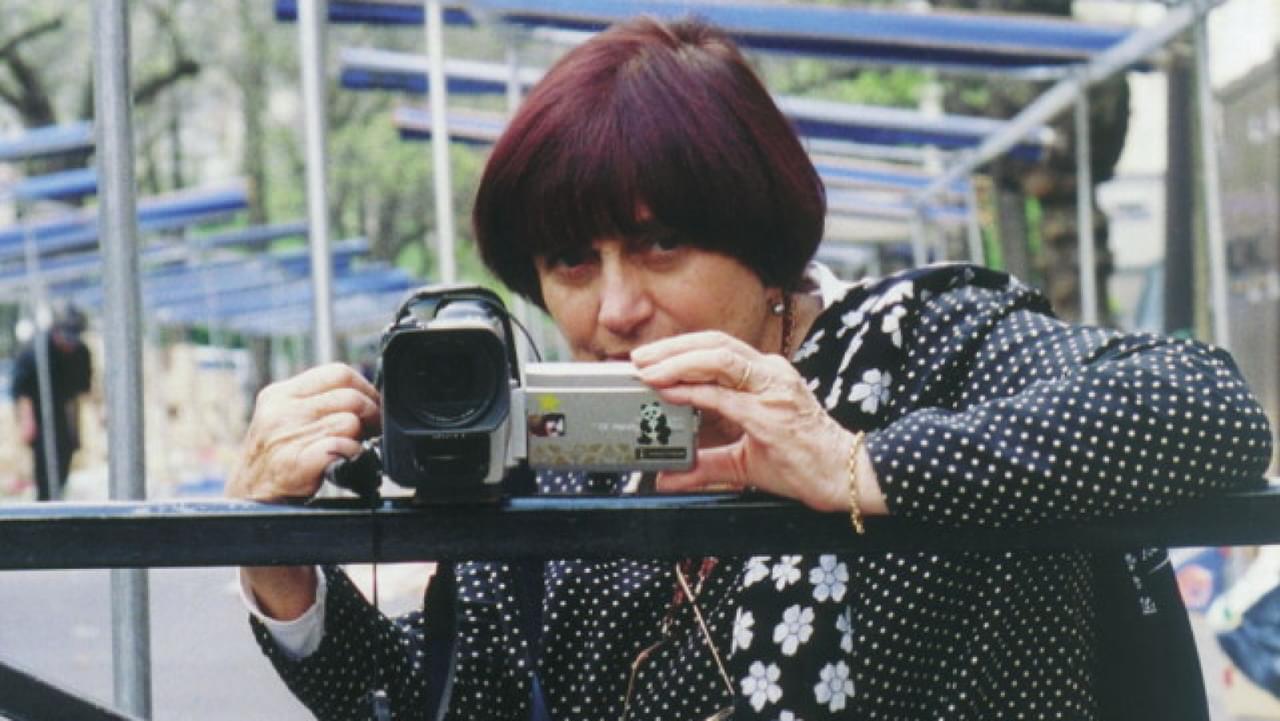
Agnès Varda accomplished plenty in the 20th century, but her masterpiece of barehanded salvage and political reclamation ushered in the digital age with the zest of a filmmaker launching into the prime of her late freedom. Making common cause with those who “glean” for their living—market outcasts and waste recoverers from field to street—she puts her old hands on the new, no-strings tech and goes roving, filming a pantheon of improvisers and survivors, herself among them, and finding their antecedents recorded in earlier art. Replenishing the ecologically conscientious impulses of Arte Povera in the age of digital reproduction, The Gleaners and I spurns the baubles of technological novelty and instead demonstrates the generative magic of human intimacy and imagination. Flowing with expert simplicity, gregarious subjectivity, and unbounded curiosity, Varda’s doc is a paragon of open, eager insight that finds the beauty in truth, wisdom, and honesty.
—Nick Bradshaw, writer and editor
7. Hale County This Morning, This Evening
2018 | USA | Dir. RaMell Ross | Producers: RaMell Ross, Joslyn Barnes, Su Kim, Sarah d’Hanens
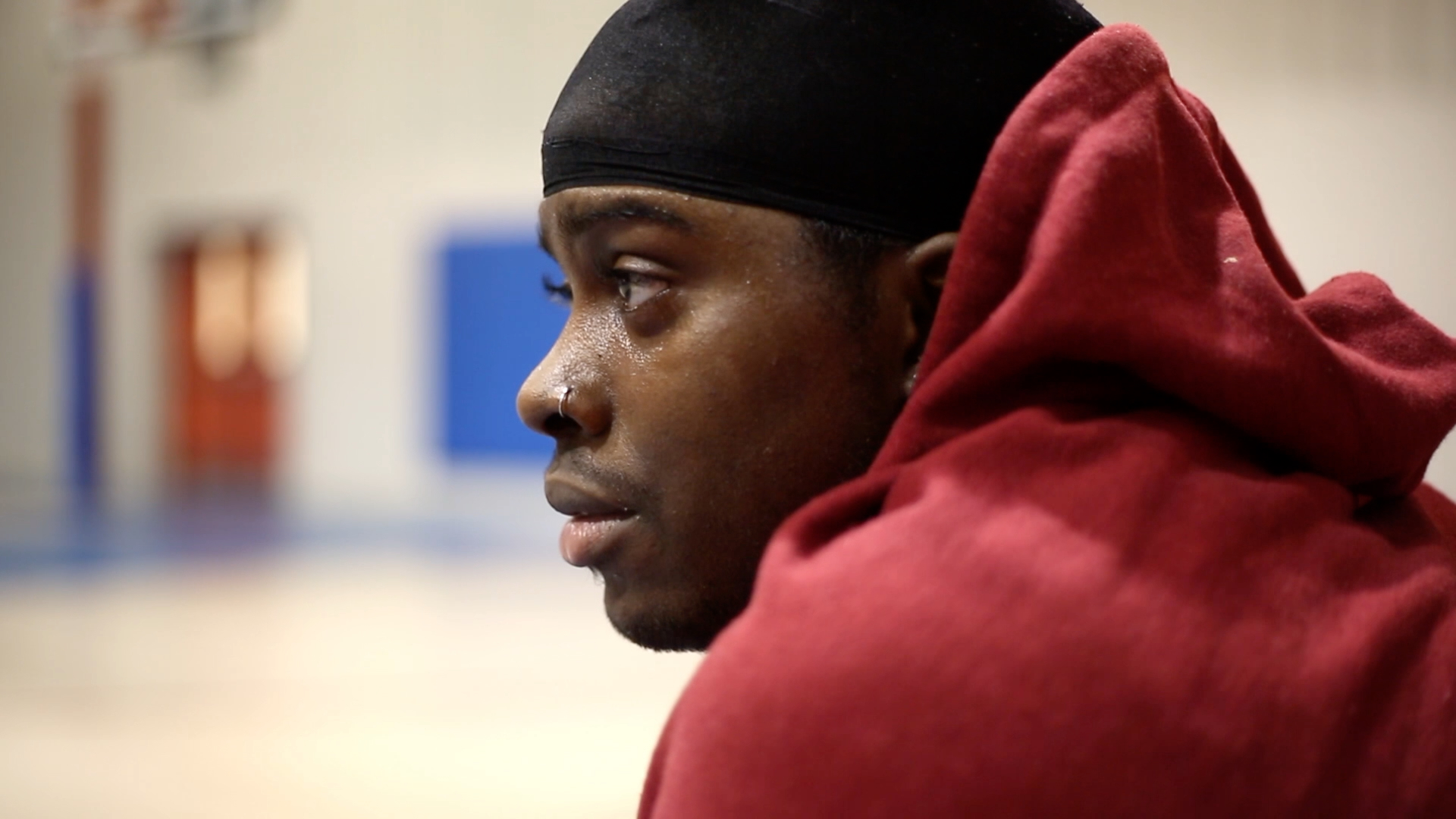
In the 21st century, moments of time have become effortless to record but the hardest thing to really see. This film refreshes observational cinema with a shift in its grasp of grammar and soul of sensibility. Ross crafts a situated seeing of rural Hale County, Alabama, grappling with documentary’s relation to perception by asking, “Where does time reside?” Close gestures form his language: The fly swatter taps on a lap on a warm day, the ends of hair are twirled during a church service, a night passes gathered around the glow of a games console, a toddler runs back and forth, back and forth, back and forth. A glimpse of Lime Kiln Field Day (1913), the oldest known surviving film starring an entirely Black cast, intercuts these rhythms. This prior moment in cinema’s history of representation permeates the present frame; the film never ends.
—Luke W. Moody, selector
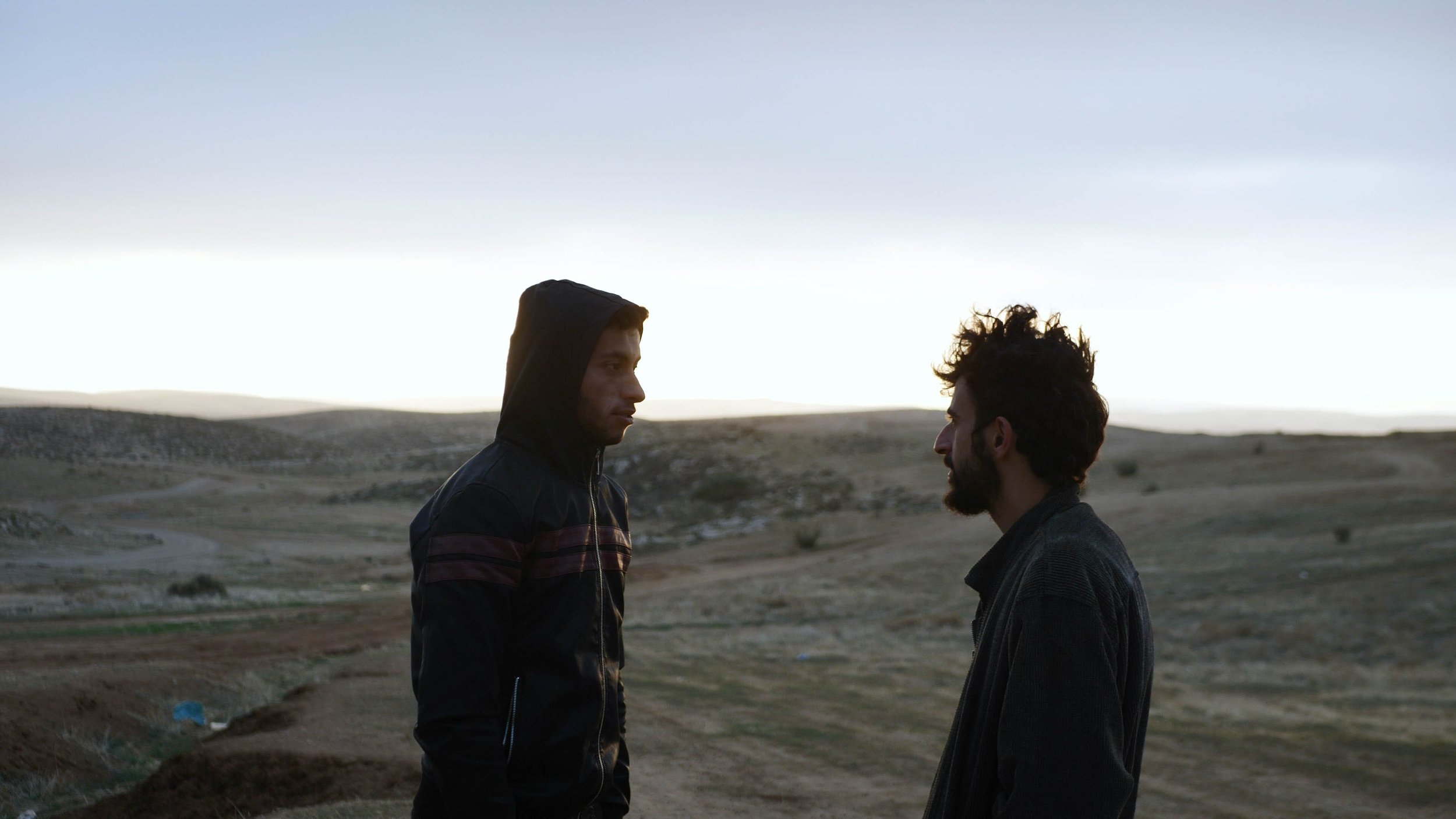
8. No Other Land
2024 | Norway, Palestine | Dirs. Basel Adra, Hamdan Ballal, Yuval Abraham, Rachel Szor | Producers: Basel Adra, Hamdan Ballal, Yuval Abraham, Rachel Szor, Fabien Greenberg, Bård Kjøge Rønning
The first-person account of a people halfway around the world who endure unchecked violence and land theft, which is abetted by a nation-state that’s supported, in turn, by American taxpayers, No Other Land also happens to be an astounding example of collaborative filmmaking made by a team spanning one of the most divisive sociopolitical divides of our time. Due in large part to the fearless on-the-ground reporting of Palestinian filmmakers Basel Adra and Hamdan Ballal, as well as the trust they placed in Israeli filmmakers Yuval Abraham and Rachel Szor, we are invited into a collective creative process which adds up to something far more complicated than any one of their individual perspectives. They have gifted the world an eye-opening film that is at once harrowing, disturbing, and unsettling. And yet, particularly through the ways in which we see Basel and Yuval decide to come together to tell this story, it is also undeniably hopeful.
—Bing Liu, filmmaker

9. Bowling for Columbine
2002 | Canada, Germany, USA | Dir. Michael Moore | Producers: Michael Moore, Kathleen Glynn, Jim Czarnecki, Charles Bishop, Michael Donovan, Kurt Engfehr
On an October evening in 2002, energy and laughter reverberated through a packed theater on Houston Street in New York. The zeitgeist was hopeful: a socially conscious, even activist, documentary was breaking box-office records. Bowling for Columbine was like a breath of mentholated air, pleasantly opening the passages and raising hairs on your neck. It exposed hypocrisy and revealed power mechanisms, all with self-effacing blue-collar humor. It directly engaged an endemic issue. It was provocative. It was entertainment. Michael Moore’s distinctive combination of unencumbered satire with deadly serious social issues hit a chord in the post-9/11 miasma of fear, warmongering, and societal strife (which feels all too familiar once more). But the magic didn’t really translate into other social-issue films. Maybe it was just a confluence of promotion, personality, and timing. Still, the catharsis many of us felt in that theater feels suddenly just as timely once more.
—Williams Cole, filmmaker and critic
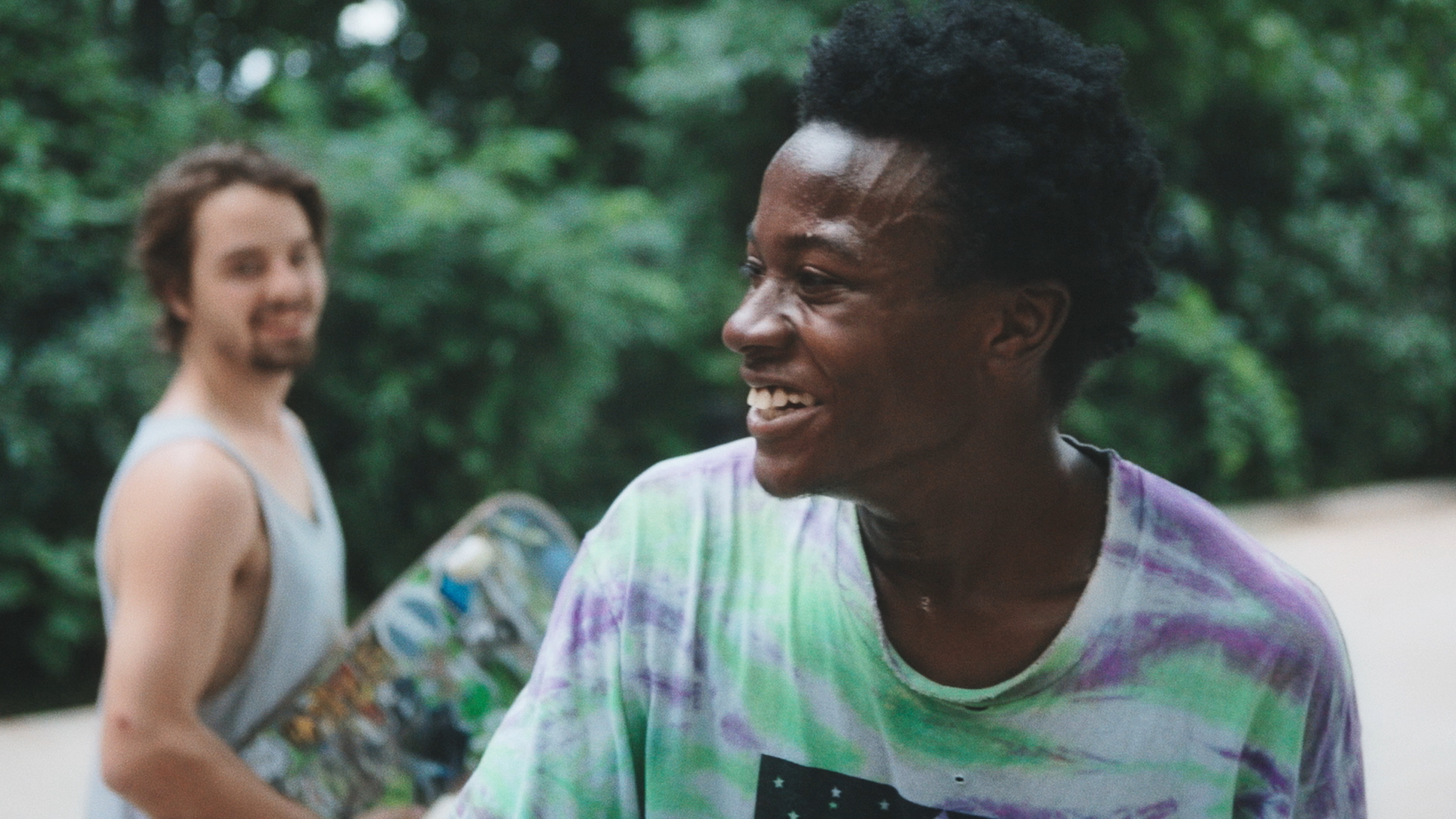
10. Minding the Gap
2018 | USA | Dir. Bing Liu | Producers: Bing Liu, Diane Quon
This film embodies a rare cinematic directness. I am in awe of how Bing Liu’s camera channels fluid, youthful energy so unassumingly through his skateboarding videos of a group of boys in Rockford, Illinois, and matures into a conduit through which he accesses truths around race, domestic abuse, masculinity, and adulthood. I really admire the way Liu, a Chinese American filmmaker serving as his own cinematographer, participates in everyday life through his camera, which serves as a catalyst for seeking a devastating common bond among his protagonists, is used transparently, and ultimately bears witness to a heartfelt story that no one else could tell.
—Iris Ng, cinematographer
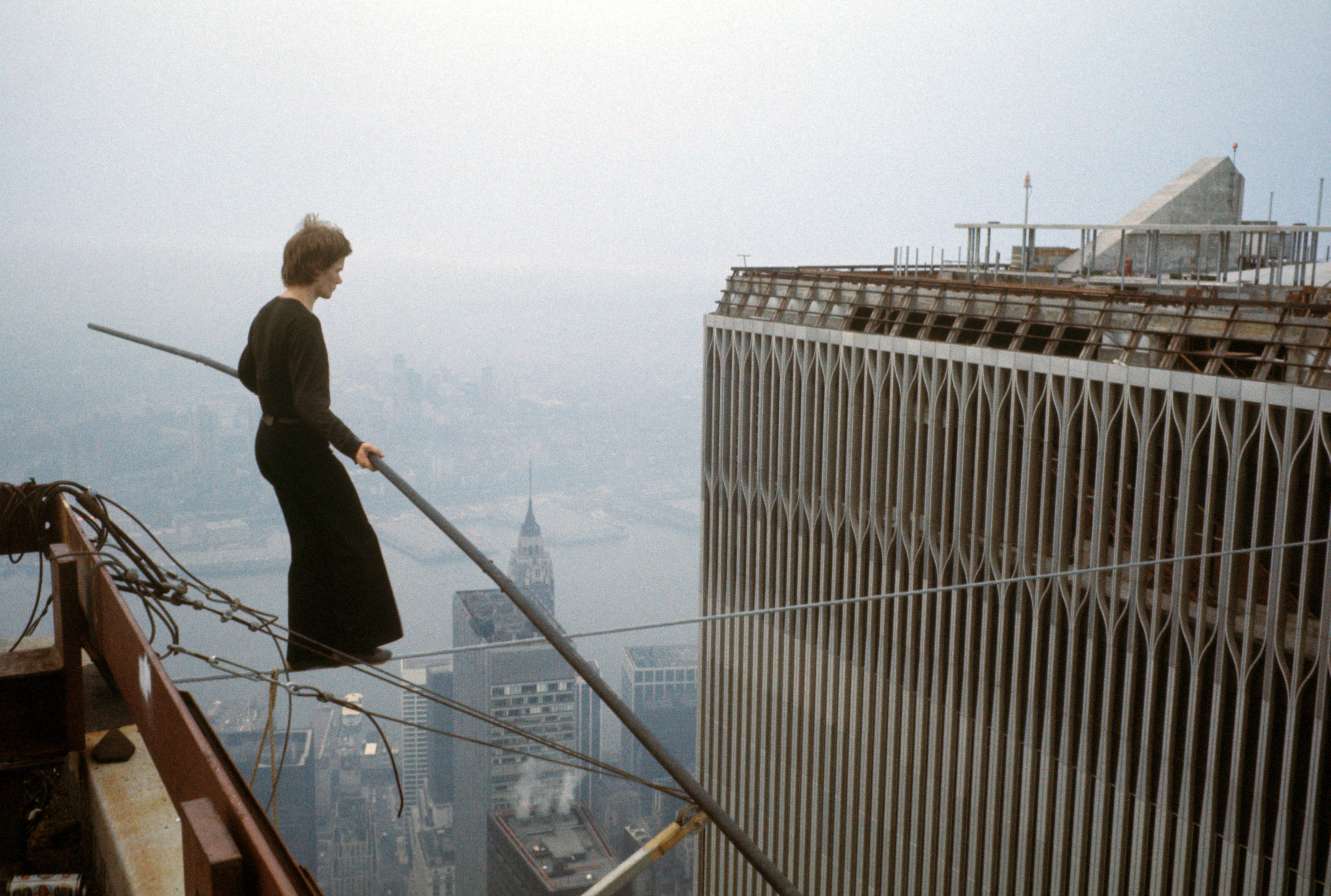
11. Man on Wire
2008 | UK | Dir. James Marsh | Producers: Simon Chinn, Victoria Gregory, Maureen A. Ryan
As a longtime New Yorker, I saw all the headlines in 1974 about Philippe Petit’s inconceivable, jaw-dropping 45-minute stroll on a wire connecting the World Trade Center Twin Towers. I knew he didn’t fall. Yet I watched Man on Wire with my stomach in knots the entire time. Filmmaker James March and Petit’s team of close accomplices present the story as a mischievous crime caper via archival photos, interviews, and pulse-quickening re-creations. Yet their collective triumph has bittersweet consequences. Decades later, their vast pride is overriding, but private resentments, strained loyalties, and feelings of betrayal still linger. To my mind, Petit’s high-wire walk that day is the single greatest individual performance in human history. Yet he was an unflinchingly flawed human when his feet touched earth. It’s that core contradiction that makes Man on Wire such a breathtaking, indelible, and haunting documentary.
—Doug Block, filmmaker
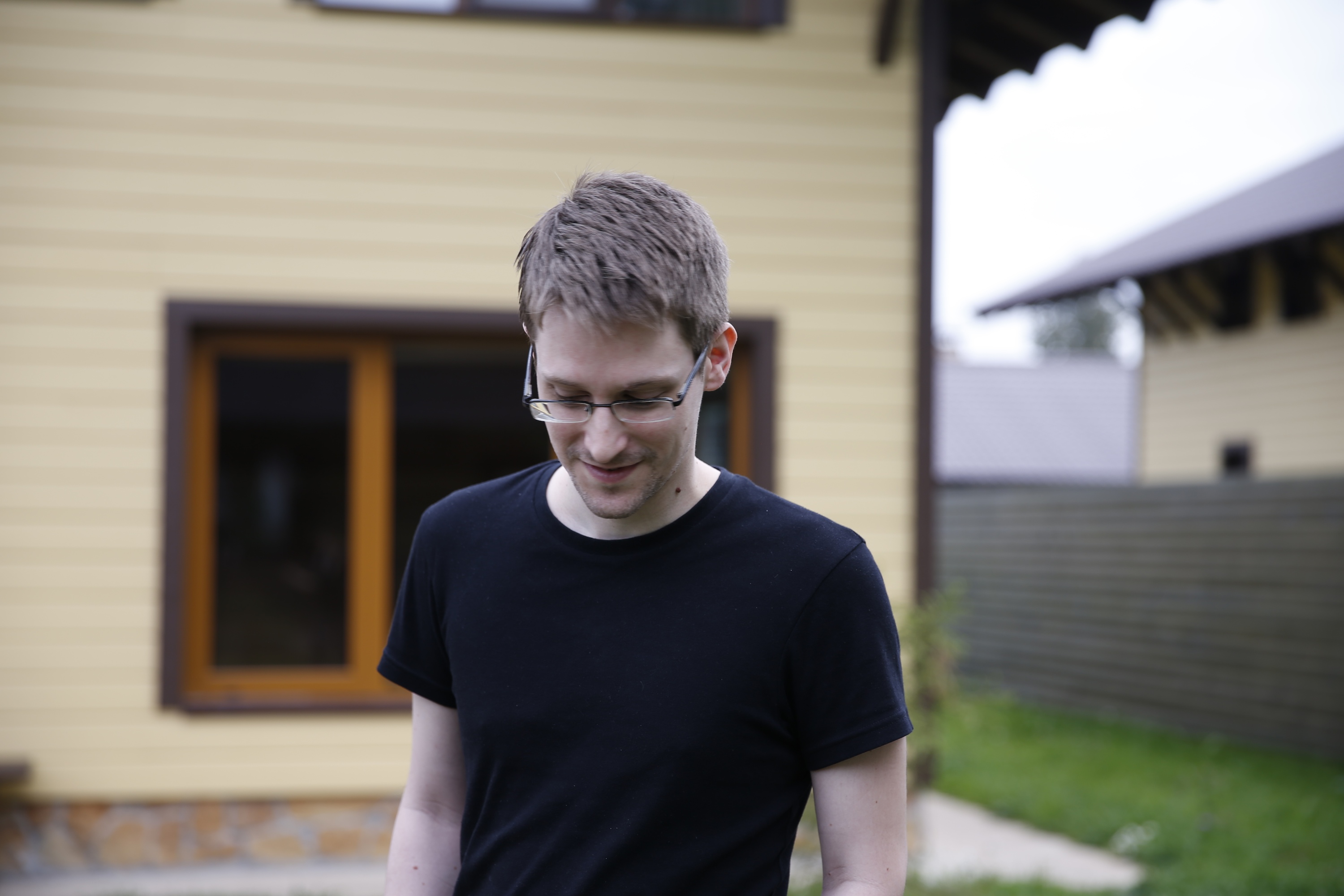
12. Citizenfour
2014 | Germany, UK, USA | Dir. Laura Poitras | Producers: Laura Poitras, Mathilde Bonnefoy, Dirk Wilutzky, Kirsten Johnson, Katy Scoggin, Brenda Coughlin
Its singularity begins with trust. Edward Snowden, a whistleblower on the brink of global infamy, chose an independent filmmaker, not an institution, to receive history in real time. What follows is not reportage but proximity: the live construction of a world-altering disclosure, captured as it unfolds. Poitras transforms this encounter into a pure distillation of suspense and quiet horror shaped under the omnipresent threat of surveillance. Without spectacle or excess, the film builds tension through presence alone. It reframes the whistleblower from pariah to a celebrated dissenter. The film completes Poitras’s historic and widely cited post-9/11 trilogy, a body of work that placed her under government watchlists even as it redefined investigative documentary practice. Beyond the frame, she helped build the very infrastructures such truth requires, co-founding First Look Media, The Intercept, and Field of Vision.
—Ruun Nuur, programmer
13. Honeyland
2019 | North Macedonia | Dirs. Tamara Kotevska, Ljubomir Stefanov | Producers: Atanas Georgiev, Ljubomir Stefanov, Kornelija Ristovska, Marjana Shushlevska
The first time I watched Honeyland, I felt like I was witnessing a meeting point between visual ethnography and lyrical poetry. What stuck with me in this portrait of a beekeeper in North Macedonia was its narrative restraint. Atanas Georgiev’s editing shows how much power there is in letting footage breathe, allowing scenes room to unfold, and in trusting that patience for the moment is when you learn the most about how people live. Hatidže Muratova’s line, “half for me, half for them” (as she tells her bees), has stuck with me for years. Through it, Honeyland addresses the pressure of modern borders and the weight of linguistic isolation, all while still capturing the mood of North Macedonia as alive and shifting. This beautifully crafted doc about how we relate to the earth is both essential viewing and an enduring story of resilience and survival.
—J. Daniel Torres, producer
14. Waltz With Bashir
2008 | Australia, Belgium, Finland, France, Germany, Israel, Switzerland, USA | Dir. Ari Folman | Producers: Ari Folman, Serge Lalou, Gerhard Meixner, Roman Paul, Yael Nahlieli, Verona Meier
This landmark of documentary animation follows Ari Folman’s surreal journey to reconstruct his repressed memories of the 1982 Lebanon War, specifically the harrowing Sabra and Shatila massacre. By opting for animation over live action, Folman argues that the medium is uniquely suited for “truth searching”—particularly when navigating the hallucinatory nature of memory and the psychological weight of post-traumatic stress. Rather than capturing external reality, Folman uses animation to externalize interior states that a camera cannot reach. The stylized, yellow-hued visuals and low-key lighting effectively mirror the dreamlike state of trauma in a way that traditional footage never could. This artistic buffer, however, makes the film’s conclusion all the more devastating: a sudden, jarring shift from animation to raw live-action footage. This masterstroke forces the viewer to confront the “real” consequences of war, stripping away the comfort of the aesthetic to create a profoundly chilling and unforgettable end.
—Lucia Ricciardelli-Fossi, professor and filmmaker
15. Leviathan
2012 | France, UK, USA | Dirs. Véréna Paravel and Lucien Castaing-Taylor | Producers: Véréna Paravel, Lucien Castaing-Taylor
Véréna Paravel and Lucien Castaing-Taylor’s maritime adventure in perception on a fishing vessel, a standard-bearer for the Sensory Ethnography Lab, still feels novel and unmatched. Through disembodied GoPro cameras and pure sonic genius, we are brought to eye-level with boiling seas, sliding piles of fish, sturdy raincoated fishermen, a scrambling seagull, and every other exposed surface on the crane-equipped deck. Our lushly textured audiovisual vantage points feel like being tossed about by waves under void-black night skies, thrillingly beyond the usual sensations and positioning of human-centered handheld. But the rhythmic film also lingers with the dudes netting, shucking, slicing, and yelling, initially heard over radios that evoke lunar transmissions. Reimagining the sea on screen, the belly-of-the-beast portrayal of their labors shows nature and industry, life and death, in poetic and political (and metal) ways, blurring “experimental” and “documentary.” It’s always on the verge of being too much, and that’s exactly right.
—Nicolas Rapold, critic
16. Grizzly Man
2005 | USA | Dir. Werner Herzog | Producers: Erik Nelson, Alana Berry
One film, opposite views, deadly decisions. Filmmakers often include footage they disagree with, but few attack the maker of that footage. However, here is Herzog going up against Timothy Treadwell’s footage and life. He and most of his interview subjects vividly disagree with Treadwell’s decision to live among grizzly bears as if he were one. Tapping the snout of one bear, an ecstatic touch to the warm poop of another, anger at thoughtless intruders—none of these gestures alter Herzog’s view. Nor does the sheer beauty of Treadwell’s footage. For Herzog, nature is “vile and base, full of fornication and asphyxiation” as he proclaims in Les Blank’s Burden of Dreams. For Treadwell, it is his final refuge, a tranquil place of harmony and beauty, until he becomes a nighttime meal for a starving grizzly. This is a haunting film of unforgettable images and profound convictions that ponders the vexing question of humans’ proper relation to nature.
—Bill Nichols, writer
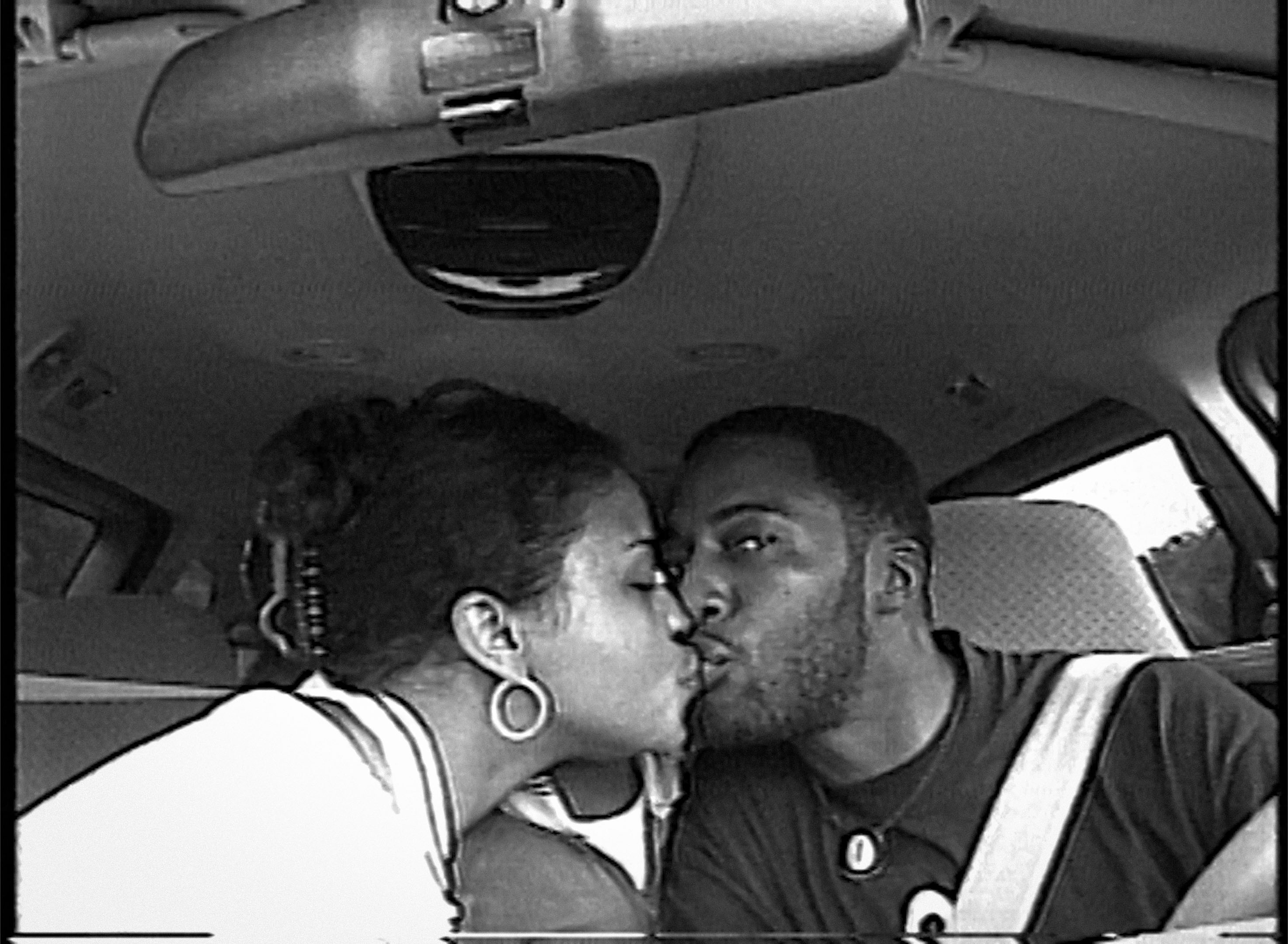
17. Time
2020 | USA | Dir. Garrett Bradley | Producers: Garrett Bradley, Lauren Domino, Kellen Quinn, Dan Janvey
Time delicately interweaves archival material filmed by Fox Rich and her family over decades with contemporary observational footage of Rich as she navigates endless bureaucracy to reduce her husband Rob’s 60-year prison sentence. The work uses one of the central tenets of film in its ability to compress and expand time to heartbreaking and staggering effect. Watching its final moments in my final screening on the last day of Sundance 2020, tears streamed down my face, my body quietly shaking from an internal reckoning. I was grappling with the ripple effects of pain and loss across multiple generations within one family due to our country’s unjust carceral system. I owe immense gratitude to Garrett Bradley and the Time filmmaking team for their capacity to bear witness to one Black family’s experience of grief resulting from an excessive sentence, as well as the exuberant shouts of joy upon their hard-fought reunion.
—Rodney Evans, filmmaker and professor
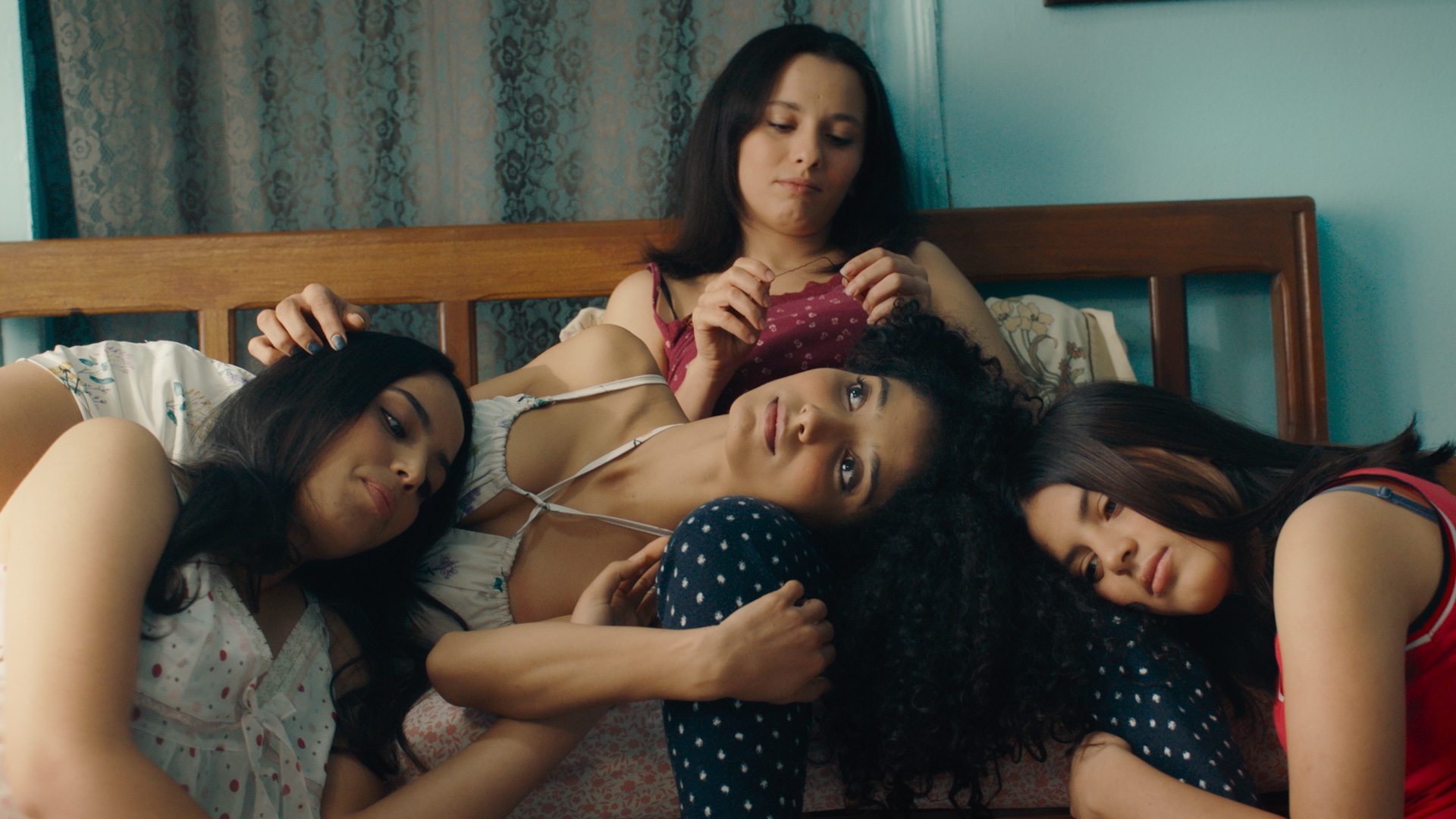
18. Four Daughters
2023 | France, Germany, Saudi Arabia, Tunisia | Dir. Kaouther Ben Hania | Producers: Nadim Cheikhrouha, Habib Attia, Thanassis Karathanos, Martin Hampel, Lassaad Kilani, Rafik Kilani,
I chose Kaouther Ben Hania’s Four Daughters because it refuses the easy documentary lie that testimony is complete if you simply point a camera and ask. What moved me so deeply is how the film builds a brave structure around absence. When two daughters vanish, Ben Hania invites actresses to embody them, allowing performance to collide with lived memory. That collision becomes the story itself: trauma, shame, tenderness, and the impossible task of explaining radicalization from inside a family, not from a safe distance. What makes it so impactful is that this structure is not a formal trick, but an emotional and ethical method. It allows contradiction, silence, and care to exist together. The film does not force answers where there are none. Instead, it uses cinema to create a space where the unspoken can finally speak.
—Banu Ramazanova, producer

19. All the Beauty and the Bloodshed
2022 | USA | Dir. Laura Poitras | Producers: Laura Poitras, Howard Gertler, John S. Lyons, Nan Goldin, Yoni Golijov, Megan Kapler
Maybe it takes a selfless filmmaker to allow an artist—even one as larger than life as Nan Goldin—to take center stage in such a way. Perhaps this film belongs equally to both Goldin and Poitras. But the latter certainly has a more difficult task: to allow Goldin to tell her own story and the stories of the artists she pays tribute to with her photography and activism, all while maintaining her position as a filmmaker. How do we tell the stories of our fellow artists? It’s one theme that has interested me this century, which has seen an explosion of docs grappling with this very question. Still, the film never feels weighed down by the sheer number of narrative threads, so deftly woven; the past will always inform the present in this way. It is an unbelievable testament to the eternal power and relevance of art, as urgent now as it was then.
—Carly Mattox, critic
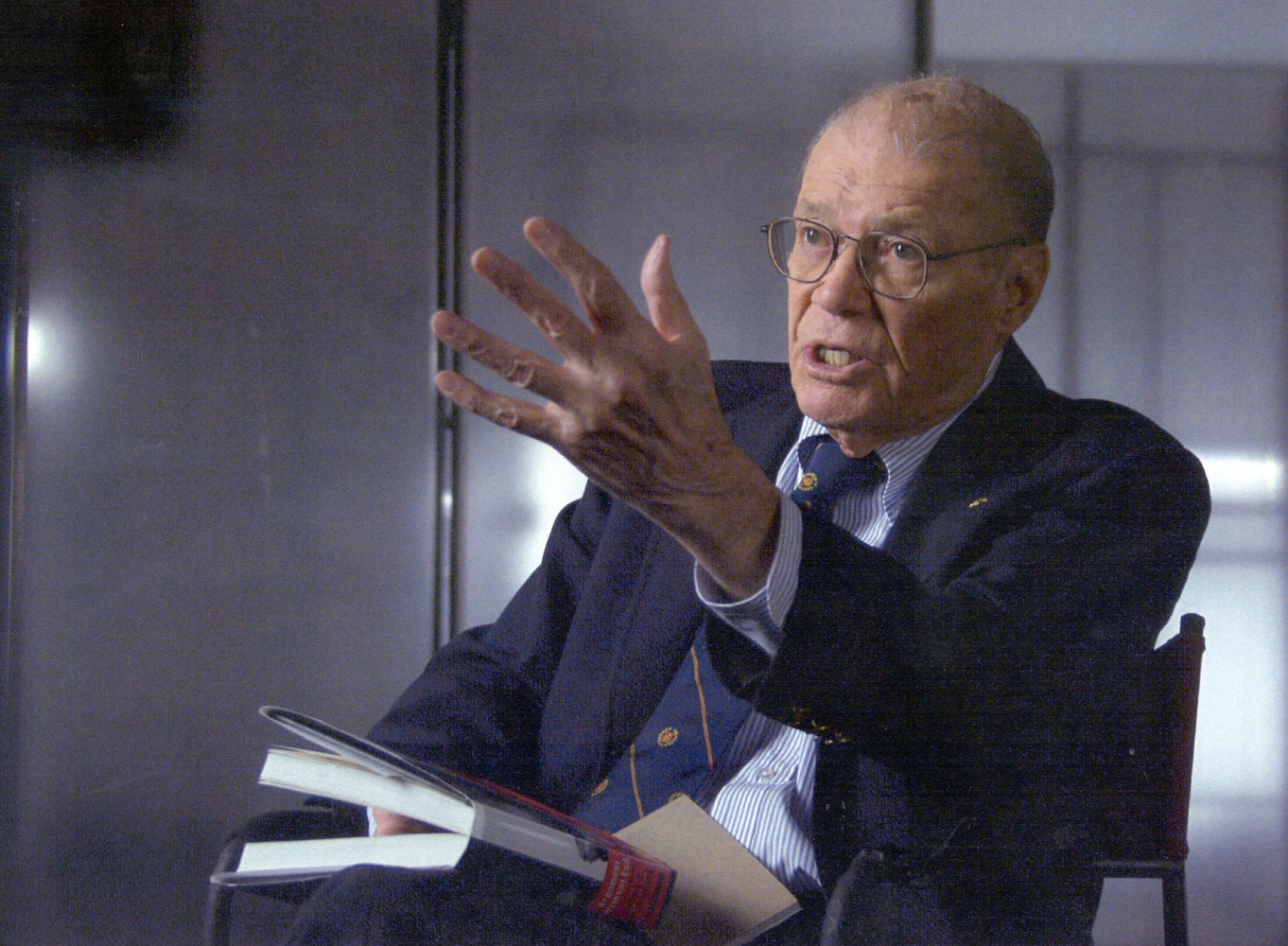
20. The Fog of War
2003 | USA | Dir. Errol Morris | Producers: Errol Morris, Michael Williams, Julie Ahlberg, Robert Fernandez, Adam Kosberg, Ann Petrone
Errol Morris’s film is at once a revealing historical biography and an upending of political assumptions and documentary conventions. With its fractured chronology, unconventional interview framing, frequent jump cuts, and creative motion graphics, it is notably not your grandfather’s historical documentary. Importantly, none of this creative convention busting is done without purpose. Morris is meticulous with his history and intentional with his rule breaking. Where Ken Burns might deliver History with a capital H, encouraging viewers to sleep on the constructedness of the movie, Morris never allows a moment to go unquestioned. This is all at the service of a humanizing portrait of the subject, Robert S. McNamara, whom many will identify as a master manipulator (and others may never have heard of). It is a deft and layered treatment that revels in moral ambiguity and remains as strikingly relevant today as it was in 2003.
—Jason Osder, filmmaker and professor
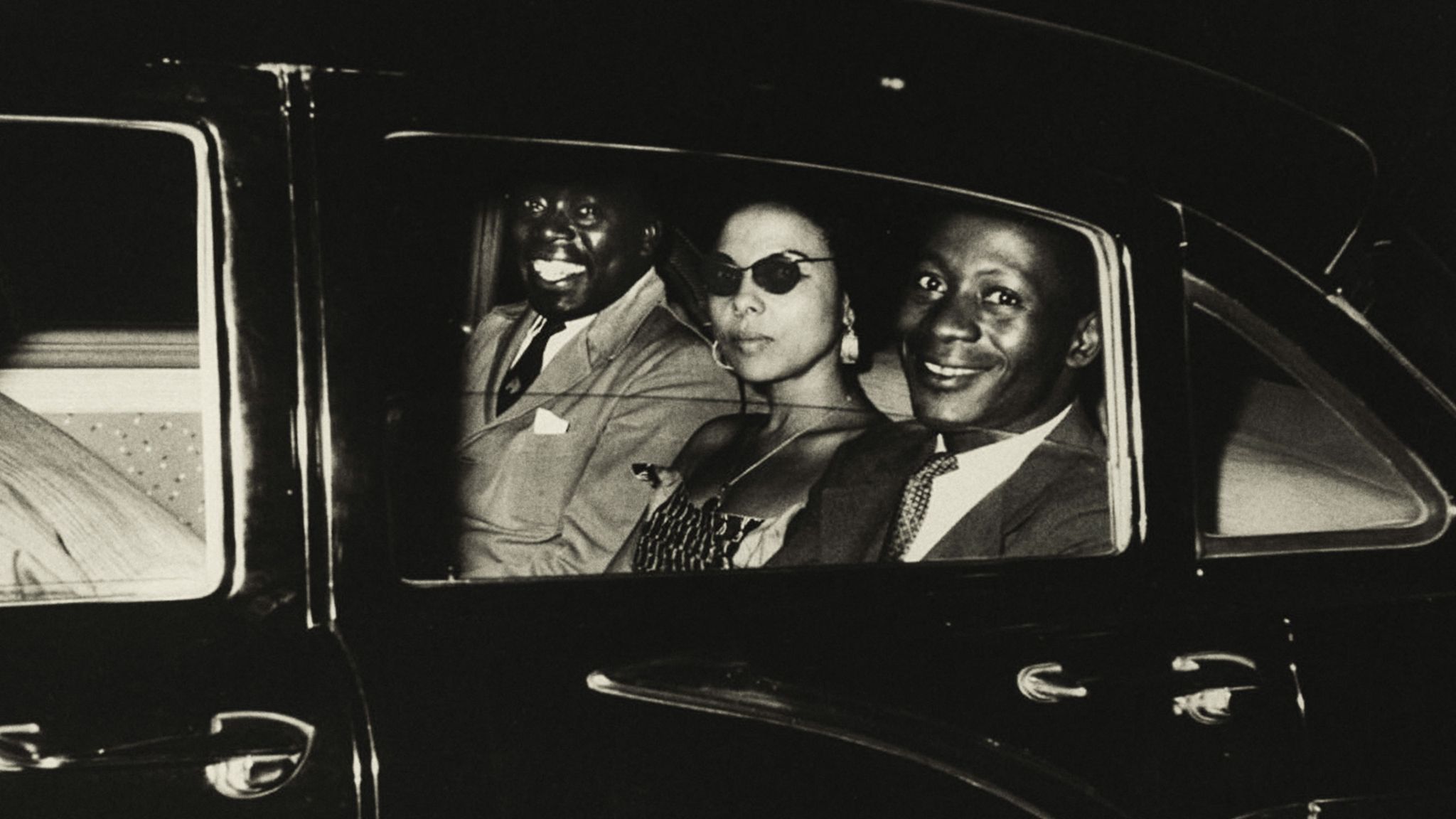
21. Soundtrack to a Coup d’Etat
2024 | Belgium, France, Netherlands | Dir. Johan Grimonprez | Producers: Rémi Grellety, Daan Milius
This riveting all-archival film is a cinematic feat. I couldn’t look away. Propulsive performances by American jazz legends drive a present-tense retelling of Congolese independence and its mid-century context of decolonization, Cold War politics, and transatlantic solidarity with the Civil Rights movement. The editing between the music, historical footage, and text-on-screen is electric, precise, and intentional, to profound effect. When independence leader Patrice Lumumba was assassinated in a CIA-backed coup in 1961, musicians Abbey Lincoln and Max Roach protested at the United Nations. Grimonprez intercuts this footage with a spellbinding performance from their We Insist! Freedom Now Suite. The power and outrage reach across time and demand our moral attention to the forces of exploitation that are active now (including corporations mining minerals in the Congo for our smartphones). Grimonprez’s film is both an example and a reminder of the power of art and solidarity to stir souls.
—Nicole Salazar, filmmaker
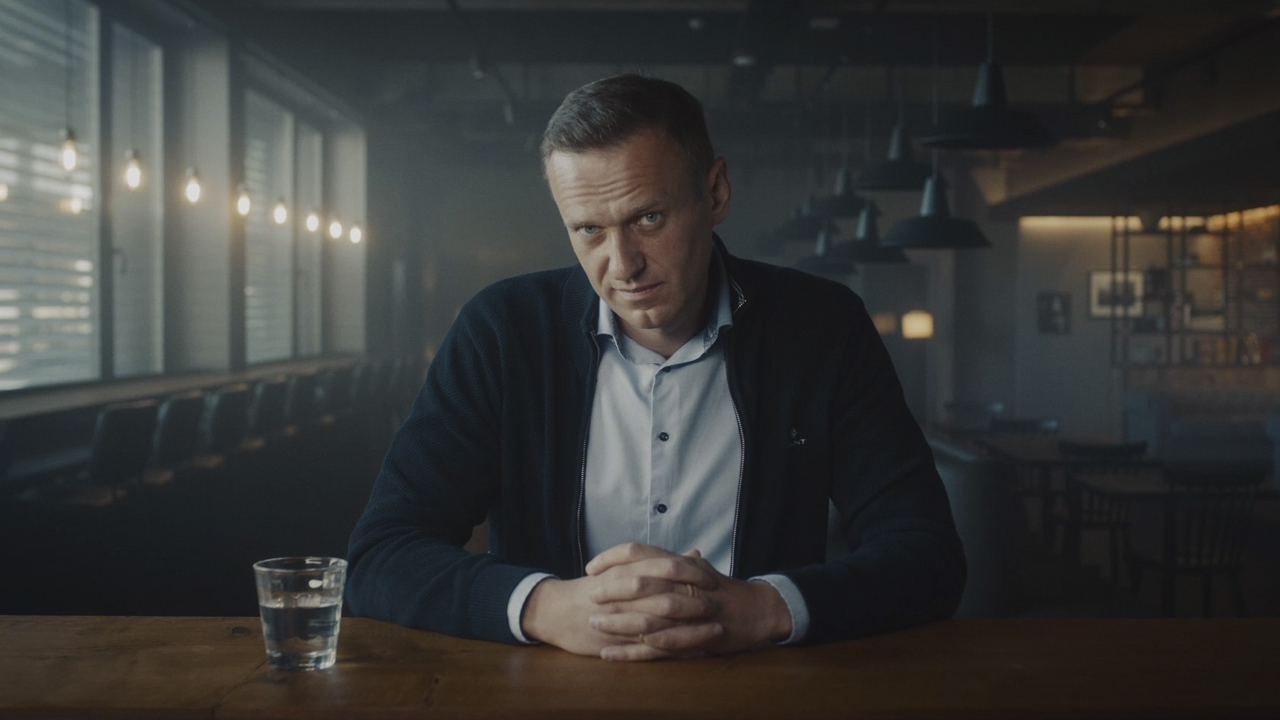
22. Navalny
2022 | USA | Dir. Daniel Roher | Producers: Odessa Rae, Diane Becker, Melanie Miller, Shane Boris, Gloria Habsburg
Daniel Roher’s portrait of Alexei Navalny has many astonishing scenes, not least in how one bears witness to Navalny’s successful attempts to get a Russian scientist to confess on a phone call to poisoning him with a nerve agent. Unfolding like a stylish Scandi noir, it has all of the elements of a perfect watch and a cautionary tale. When the poisoning took place, Roher was in the right place at the right time to gain access to Navalny through Bellingcat’s Christo Grozev. By following the opposition leader in his last few months of freedom, the film is both an important historical archive and a moving memorial to a man all too willing to pay the ultimate price for his homeland.
—Carol Nahra, journalist and lecturer
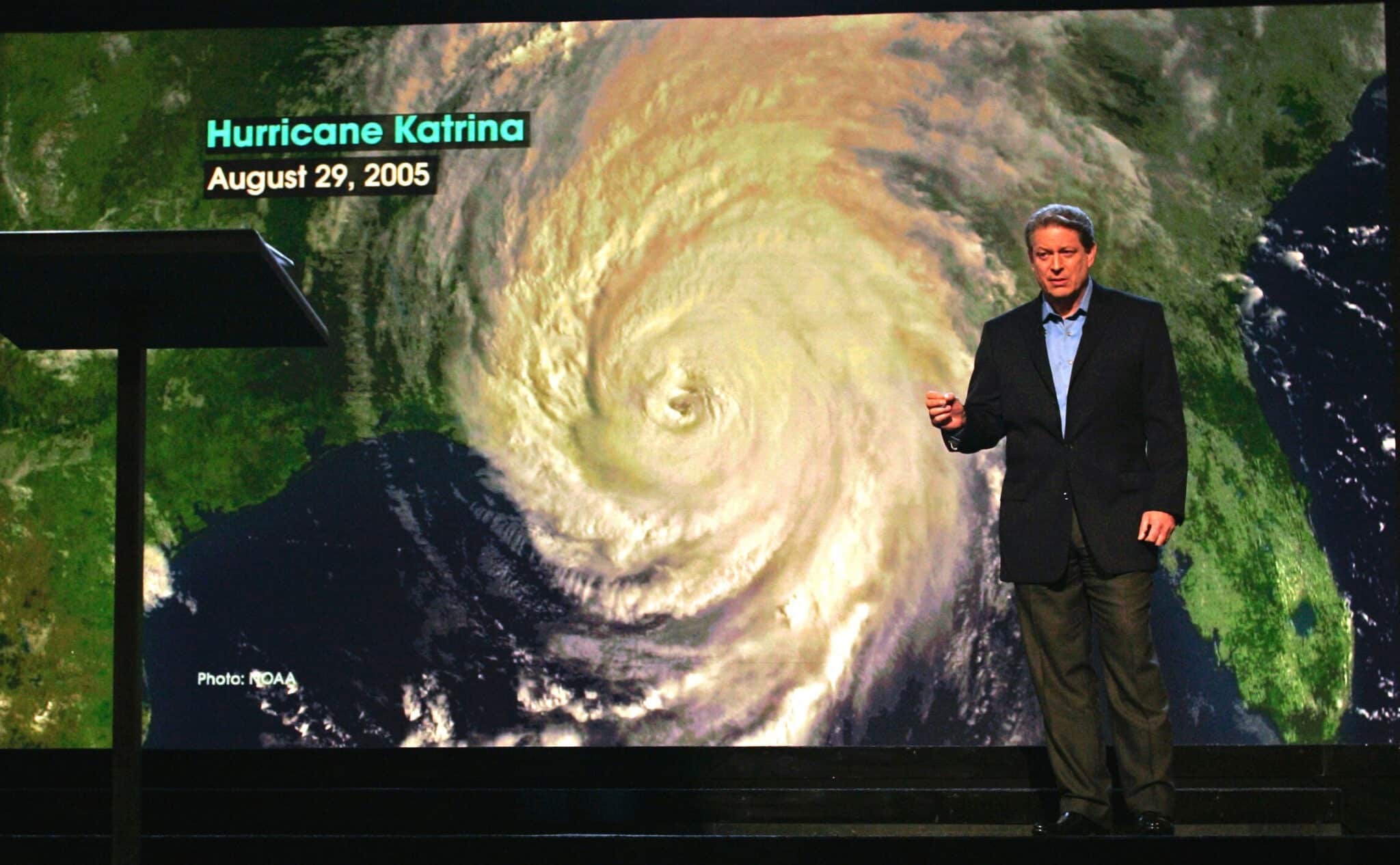
23. An Inconvenient Truth
2006 | USA | Dir. Davis Guggenheim | Producers: Laurie Lennard, Lawrence Bender, Scott Z. Burns
An Inconvenient Truth showed how nonfiction storytelling can move beyond information and actually have an impact. It took a complex, abstract scientific issue—what Al Gore termed the “planetary emergency” brought about by global warming—and made it feel immediate, human, and hard to ignore. What struck me most was its conviction: the sense that film might genuinely shift public consciousness. By framing Gore’s famed slide show presentation as personal and accessible, the film bridged the gap between data and emotion. In doing so, it pushed the ambition of documentary filmmaking, showing how a film can live within culture, influence policy, and become part of everyday conversation. As a filmmaker, for me it reinforced that storytelling carries responsibility. Beyond its success at the box office and at the Academy Awards, Davis Guggenheim’s doc showed that the right narrative, told with care and intent, can travel far beyond the screen and make a difference.
—Christian Bruun, filmmaker
24. Dick Johnson Is Dead
2020 | USA | Dir. Kirsten Johnson | Producers: Katy Chevigny, Marilyn Ness, Kirsten Johnson
In the second scene of Kirsten Johnson’s wonderfully inventive and moving film about her father’s slow slide into dementia, Dick Johnson is flattened by a falling air conditioner as he walks down the street. It’s one of several times he dies in the movie, always to rise again, grinning. The carefully staged deaths and resurrections are part of Kirsten’s attempt to confront the slow “disappearance” and imminent demise of her psychiatrist father. The movie deftly mixes elaborate, blissful fantasy sequences of a popcorn-and-chocolate-filled heaven with vérité footage of her father closing up his home and office in Seattle and moving to New York with Kirsten and her two children. The multilayered, hybrid documentary plays with both the boundaries of the genre and the viewer’s expectations to create a poignant story of a loving father-daughter relationship and the fear and anticipated loss associated with its impending end.
—Mark Jonathan Harris, filmmaker and professor
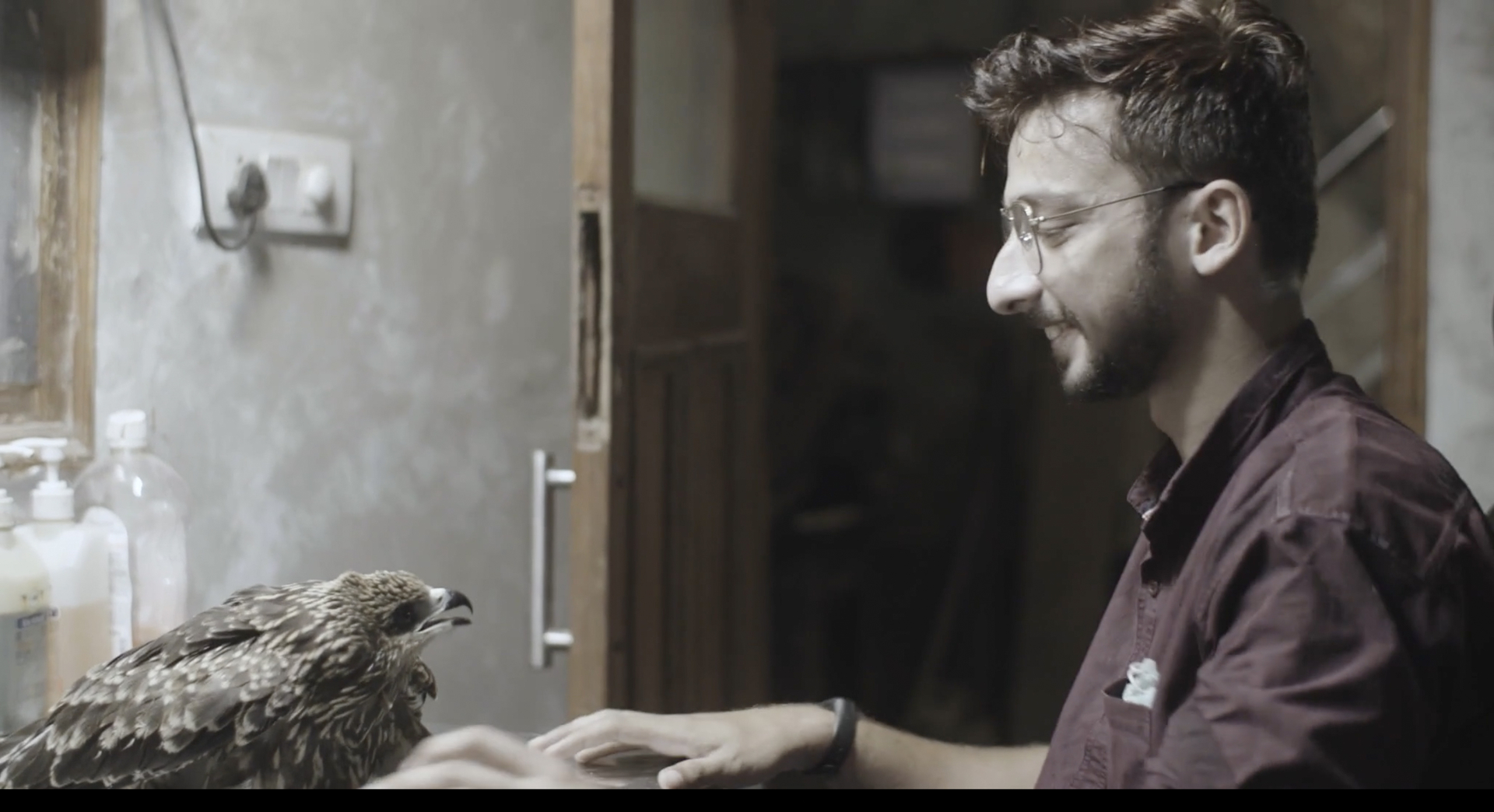
25. All That Breathes
2022 | India, UK, USA | Dir. Shaunak Sen | Producers: Shaunak Sen, Aman Mann, Teddy Leifer.
Shaunak Sen’s 2022 film about two brothers committed to saving injured black kites in New Delhi is a stunning achievement. It concerns itself with the ecological decay of the Indian city without losing sight of the country’s eroding moral compass. The filmmaking draws vivid yet quiet parallels between the Muslim rescuers and the migratory meat-eating birds, both pushed to the brink of survival in their strenuous struggle against various pollutants, and offers space for the background and the foreground to coexist and breathe in unison. Sen’s sophomore work insists that both the land and the air need intervention but unfolds primarily as a plea for compassion. Shot in long takes and composed with gorgeous precision, All That Breathes is timely and an essential viewing. Four years since its premiere at Sundance, the documentary has only proven prescient in its call to care as a radical act.
—Ishita Sengupta, critic