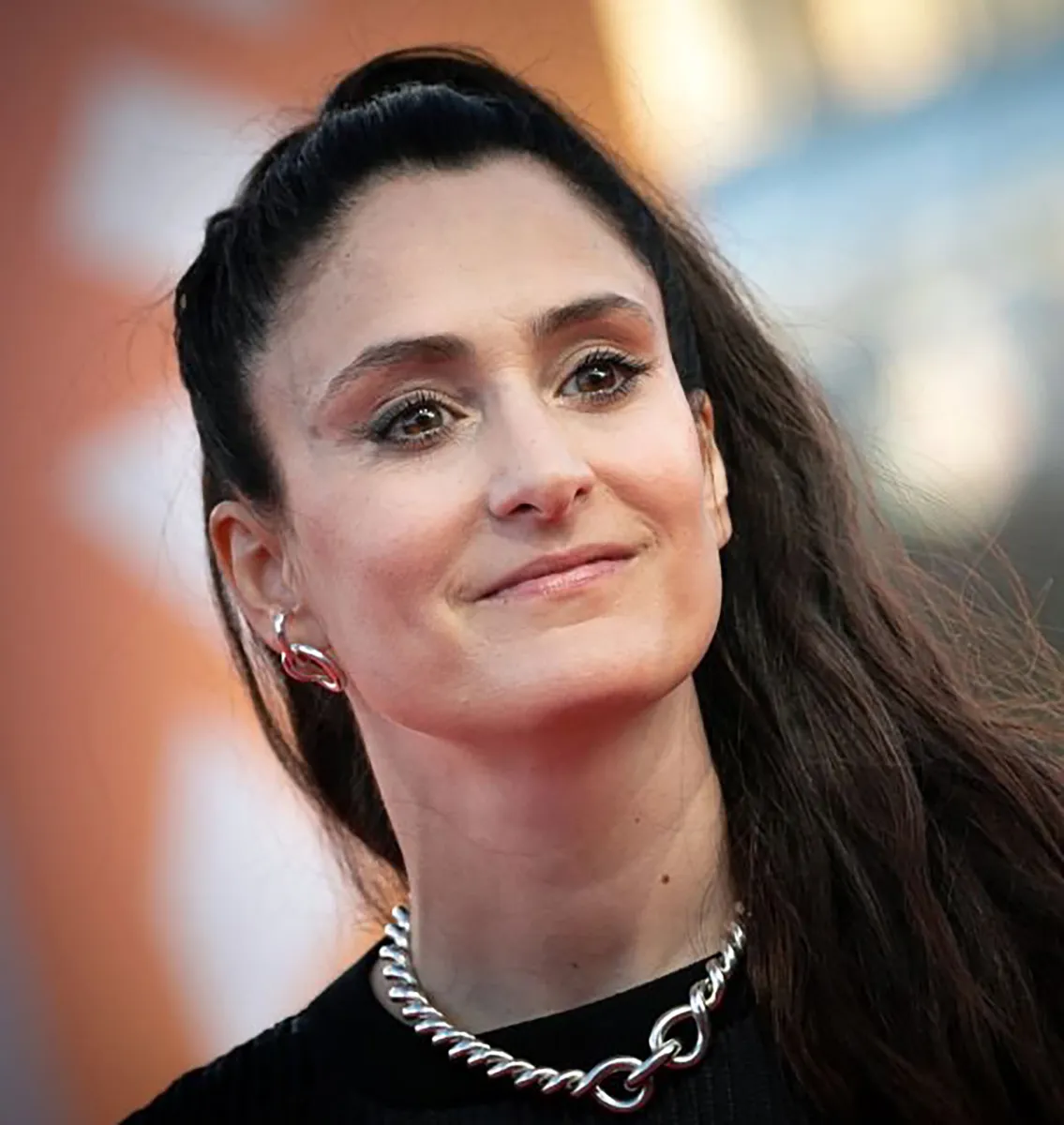
Tessa Louise-Salomé
Tessa Louise-Salomé is an award-winning French producer, writer, and director, and co-founder of Petite Maison Production. Her work as a director includes the Sundance-selected Mr. X (2014) and The Wild One (2023), narrated by Willem Dafoe and awarded at Tribeca. She has produced and coproduced numerous internationally acclaimed and socially engaged films, including Julie Gali’s Illegal Love (2011), Nicolas Premier’s The Tears That Touch the Sun (2023), and Gar O’Rourke’s Sanatorium (2025), Ireland’s official entry for the 2026 Academy Awards.
IDA: Could you share a bit about your background and the experiences that shaped who you are as a storyteller?
TESSA LOUISE-SALOMÉ: Most of what has shaped me as a storyteller comes from a deep curiosity about the intersection between intimate human stories and larger social, political, and environmental realities. Throughout my career, I have been drawn to artists, activists, and individuals navigating profound transformations, whether personal or collective. I am interested in stories that reveal the complexity of our time through singular lives and cinematic experiences.
I have spent much of my life alongside contemporary artists and filmmakers for whom cinema, art, life, and social commitment are inseparable. Their work showed me that creative practice can be deeply connected to the world around us. I not only recognized myself in that approach, but also found a sense of belonging within it. It has profoundly shaped the way I think about storytelling and the kinds of stories I am drawn to tell.
IDA: When did you begin working in the documentary field, and what initially inspired you to pursue it?
TLS: Once I stepped into cinema, I immediately felt at home. What fascinated me was that it felt like every profession in one. It brings together art, poetry, psychology, human relationships, politics, music, logistics, intuition, and craft. I could never imagine a more stimulating or nourishing field.
What drew me to documentary was the way a film is built through layers that gradually accumulate and interact to create something that can deeply connect with an audience. It reminds me of something Jack Garfein said in my previous film, The Wild One: “Life is a subtle construction of intricate layers.” I’ve always felt that filmmaking works in much the same way.
Documentary, especially observational filmmaking, also contains a certain magic. You can prepare, research, build trust, and carefully frame a scene, but once the camera is on, something unexpected may happen. The moments that stay with me are often the ones I could never have anticipated.
TLS: Congratulations on the Tribeca premiere of your deeply moving and impactful film, Colors of White Rock. For our members who may be new to the project, could you tell us a little about the film?
TLS: Colors of White Rock follows Maikhuu, a Mongolian truck driver transporting coal across the Gobi Desert to the Chinese border. Through her journey, the film explores the human cost of extractive industries, environmental transformation, and the personal sacrifices required to sustain a family in a rapidly changing world. While the story is deeply rooted in Mongolia, it also speaks to universal questions about labor, resilience, motherhood, and our collective relationship with the resources that fuel our daily lives.
IDA: When did you begin working on Colors of White Rock, and how did your collaboration with director Khoroldorj Choijoovanchig, executive producer Chantal Perrin, and associate producer Kate Kennelly first come about?
TLS: We began working on Colors of White Rock several years ago, at a very early stage of its development. I was immediately drawn to Khoroldorj’s vision and to the remarkable access he had gained to Maikhuu’s world. As a co-writer, producer, and artistic collaborator on the project, I worked closely with Khoroldorj throughout the development and editorial process. What united us was a shared desire to create a cinematic experience that would honor both the vastness of the Mongolian landscape and the intimacy of Maikhuu’s journey.
IDA: The film is visually stunning, emotionally resonant, and poetic. As you were making it, did you anticipate the kind of impact it would ultimately have on audiences?
TLS: I don’t think that you can ever anticipate how a film will resonate with an audience, but while making Colors of White Rock, I was focused on staying close to Maikhuu’s experience, and creating a space where viewers could connect with her as a person rather than simply as a symbol of larger issues. We hoped the film’s visual and poetic qualities would invite people into her world and encourage a more emotional and reflective engagement. What has been most meaningful and moving has been witnessing how people from different backgrounds have connected with Maikhuu’s story and recognized aspects of their own lives, relationships, and struggles within it.
IDA: As a producer of the film, were there any challenges during the filmmaking process that you did or did not anticipate?
TLS: To be honest, I sometimes feel like I only make challenging films. The projects I am drawn to often require years of commitment, involve multiple countries and partners, and tackle complex human, social, or environmental realities. In that sense, many of the challenges were not entirely unexpected.
One of the greatest challenges on Colors of White Rock was simply gaining access. To film in that part of the Gobi Desert, special permits were required and often unpredictable. Khoroldorj would sometimes drive more than 900 miles across the desert, only to have permission denied upon arrival and then have to make the same journey back.
We were also filming during COVID, with highly restricted access and extreme weather conditions. It demanded tremendous patience, resilience, and commitment from everyone involved, especially from Khoroldorj, who often had to travel and film alone.
IDA: Looking ahead, what’s next for you? Are there any upcoming projects you’re able to share with us?
TLS: There are a few projects currently taking shape, and while it’s still a little bit early to speak about them in detail, I’m excited by the fact that they will allow me to explore very different cinematic languages and are connected to questions of identity, belonging, imagination, resilience, and the way people reinvent themselves in times of change.
IDA: For our members who are eager to watch Colors of White Rock and stay connected with your work, what’s the best way to see the film and follow your upcoming projects?
Colors of White Rock has just premiered at Tribeca and Sheffield DocFest, and we’re excited for it to continue its festival journey in the months ahead. The best way to stay updated is to follow Colors of White Rock and Petite Maison Production on social media, where we regularly share news about upcoming screenings and events.
Most of my films are also available worldwide through Petite Maison Production’s Vimeo On Demand platform. For updates on future projects, screenings, and new releases, you can visit our website or follow our announcements online.
I’m always grateful to connect with audiences, and I hope people will have the opportunity to discover Colors of White Rock on the big screen during its festival run.
www.petitemaisonproduction.com
https://www.instagram.com/petitemaisonproduction