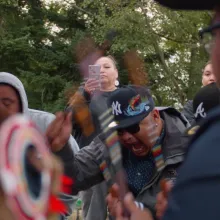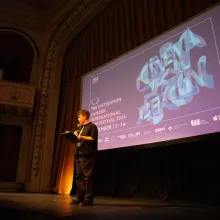

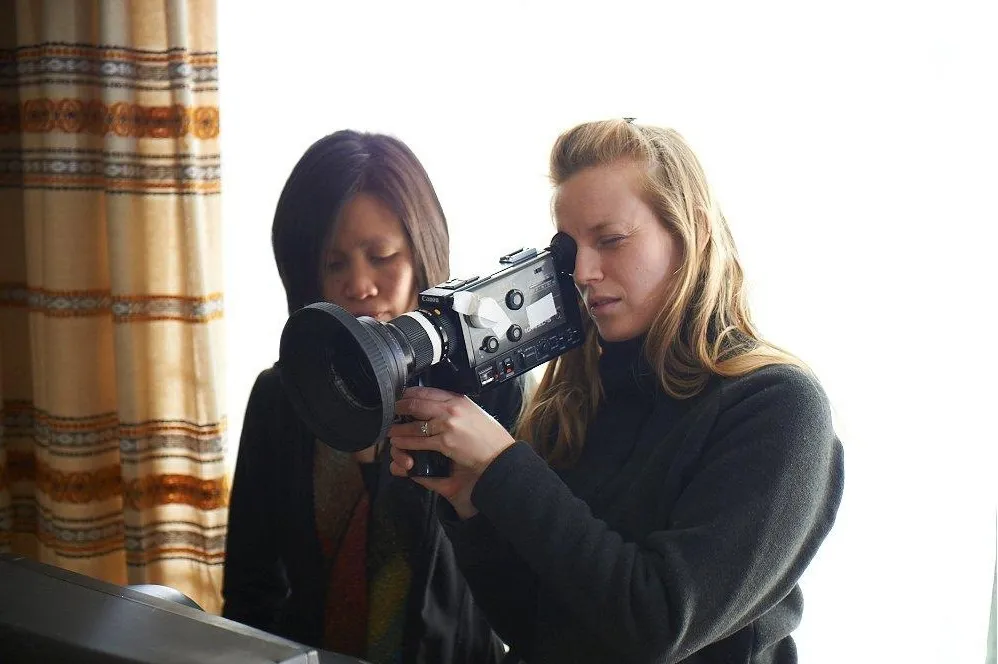
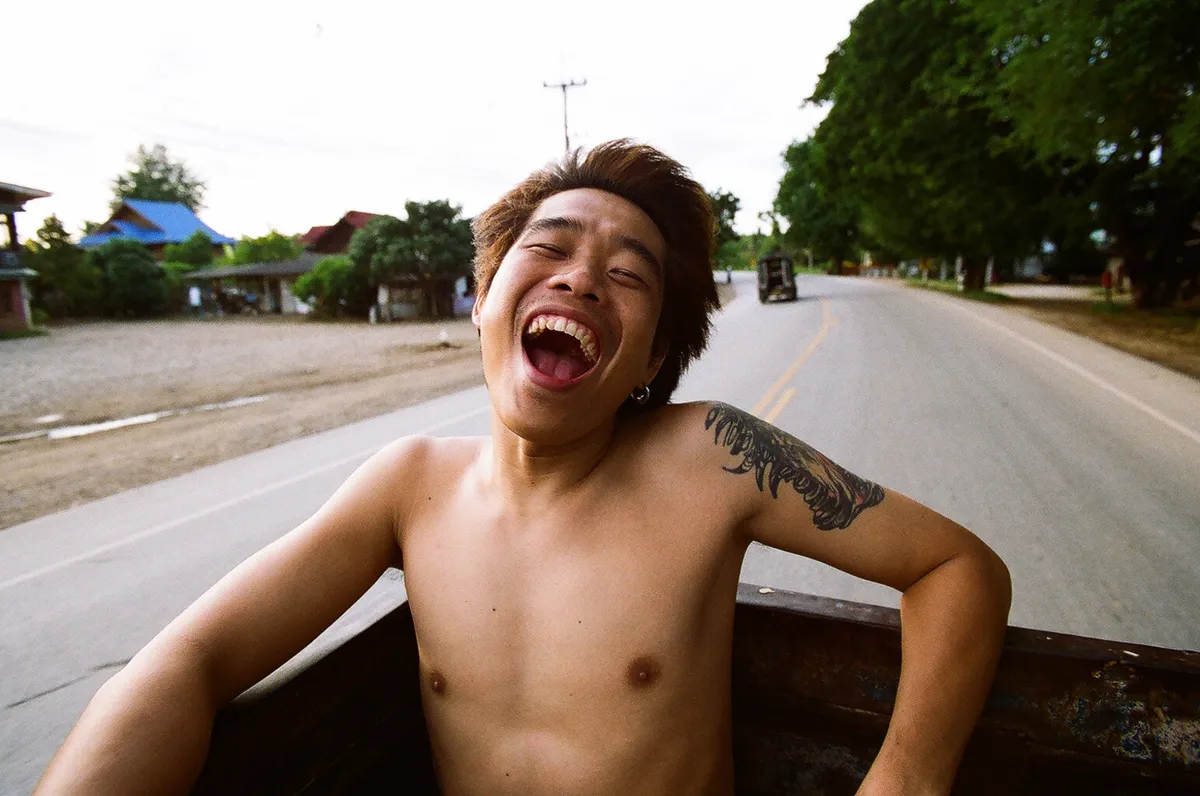
Although few people outside China have heard of it, the West Lake International Documentary Festival—locally known as IDF, which stands for “I Documentary Fact”—has quickly become the country’s leading documentary festival since its inception in 2017. The 2024 edition of IDF was held on the last weekend of October at the Xiangshan campus of CAA on the outskirts of Hangzhou, the city whose iconic lake inspired the festival’s name. Over the past few years, IDF has made a name for showcasing formally innovative and thematically diverse works from around the world. This dispatch covers: Anĝelo in 1948, Flames, White Snow, Yellow Roses, Blanket Wearer, and The Dream of Super Bridge.
Festivals
Sundance is a unique crossroads of industry and independence, where you are able to be surprised by films that you didn’t see coming—films that often end up disrupting the film industry’s ideas of marketability, contending for awards and being placed on all sorts of year-end lists, if they’re able to find the right support. As Sundance Film Festival looks to a future away from Park City, looking into questions of location, land, capital, culture, and evolution, I find myself attracted to the films in the 2025 lineup that seek context and answers to these same questions: Move Ya Body: The Birth of House, BLKNWS: Terms & Conditions, Seeds, Free Leonard Peltier, and Khartoum.
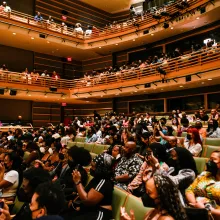
The lineup of the 2025 Sundance World Documentary section was more expansive in its geopolitical interest than last year’s. This year the dissenting subtext assumed functional pointedness, with each work making a broader statement against hostile governments. The theaters went packed and audiences cheered as the snow-clad Park City lent an otherworldly, almost mythical safe space to the independent makers and their works. Although there is speculation of the festival moving out of state in 2027, it is difficult to imagine a setting more suited to Sundance than Utah. The inconveniences, like the high altitude and the extreme dry weather, somehow added to the charm and made me feel, albeit perversely, like I had earned the right to be an attendee.
Interviews with sales agents, sales news, project announcements, and industry trends at DocSalon panels at the 2025 European Film Market (February 13–19). The 2025 edition of the Berlinale has been one of the coldest in recent memory, with the German capital covered in snow for almost ten days and the thermometer occasionally hitting -10°C. The A-list gathering, which ran from 13–23 February this year, saw a brand-new management team take over the festival direction. The festival’s American director Tricia Tuttle appointed German-French executive Tanja Meissner to head the EFM.
It’s tempting to pick nits about the relative merits of prizewinners and other films, and even more tempting to take a handful of the 346 new films as somehow indicative of the festival as a whole, but the truth is that a slate the size of IFFR’s can make proclamations about its strength difficult: two different attendees can carve distinct paths and have dissimilar takeaways. That’s one reason why a festival is more than just the films one watches.
Year after year, TIFF Docs tends to be populated by glossy, formally conventional, commercial fare—occasionally punctuated by works from prolific documentarians and festival award winners. Nonfiction works marked by innovation and ambition are pushed to the periphery, a consistent gesture that betrays what the festival regards as “best” in the arena of nonfiction cinema. Here and elsewhere, I couldn’t help but feel the subtle repositioning of the festival in anticipation of the impending launch of TIFF’s official market in 2026. Invitations to seek hidden, artistically driven gems, to interrogate the collapsing of boundaries between fiction and nonfiction remained open across other programs such as Wavelengths and Centrepiece.
The New York Film Festival (NYFF), now in its 62nd edition, is one of the biggest film festivals in the United States and, along with TIFF, the most important second-run festival in North America. This year’s edition found itself in the intersection of a number of conflicts surrounding the ongoing Israeli bombing of Gaza. These events serve as a reminder, despite the protestation of some donors, that no one can truly shut politics out of the festival. As it happens, protest was itself the subject of many of films in the festival.
Another year, another Sundance. This second edition under festival director Eugene Hernandez doesn’t portend many changes from last year’s. The big
The 2024 edition of the International Documentary Festival Amsterdam opened shortly after the world learned of two changes in leadership. One was at
Tallinn Black Nights will be celebrating its first documentary competition, Doc@PÖFF, featuring 11 titles—all of them international or world premieres. Ahead of the festival, running this year from November 8-24, I spoke to Marianna Kaat, curator of this brand-new section. Kaat is a prominent documentary director and producer in Estonia and founded her own firm, Baltic Film Production, in 1998. Alongside filmmaking and programming, she wears many other hats, including that of documentary lecturer at Tallinn University’s Baltic Film and Media School. In this interview, Kaat unpacks the line-up of this year’s competition, its raison d’être, and the work she has carried out with her fellow programmers.