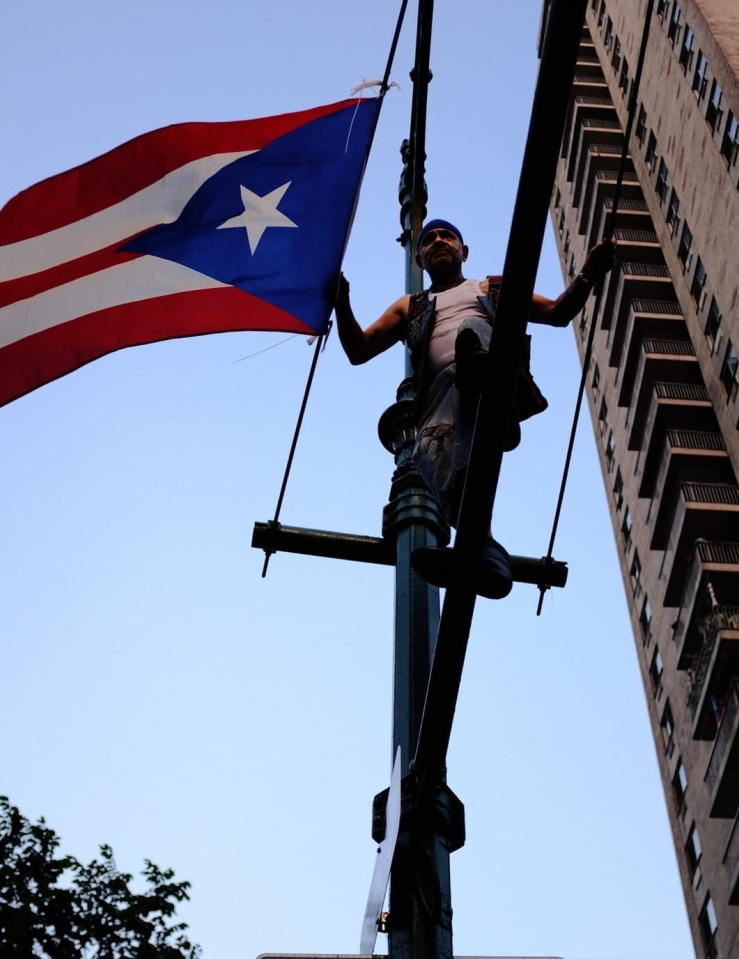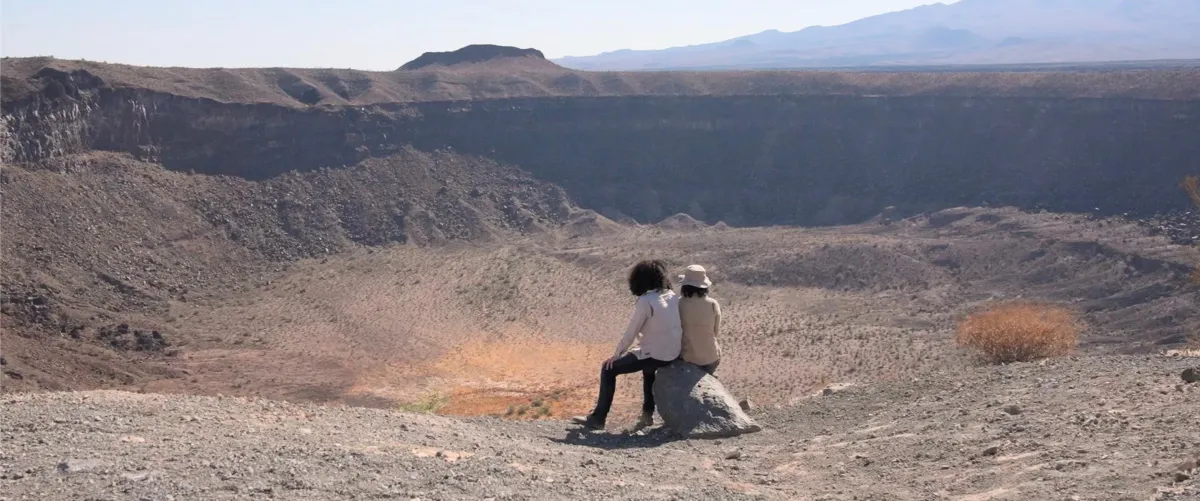


Documentary is proud to unveil the trailer for The Shipwrecked, the latest feature by Mexican-Dutch filmmaker Diego Gutiérrez, ahead of its world premiere in IDFA’s 2025 International Competition. Produced by Carmen Cobos and Kees Rijninks for Cobos Films and co-produced by VPRO, the film marks Gutiérrez’s return to long-form nonfiction with a visually ravishing and philosophically charged exploration of Mexico’s social and ecological crossroads.
Part road movie, part personal essay, The Shipwrecked follows a disillusioned filmmaker who journeys back to his homeland in search of clarity—about himself, about the country he left behind, and about the stories that bind its people together. Through a series of encounters across urban and rural Mexico, the film chronicles lives shaped by inequality, corruption, political mythology, and environmental collapse. Yet the newly unveiled trailer hints at something deeper: a persistent, stubborn hope emerging from the margins.
Gutiérrez moves fluidly between micro-narratives—a young heir transforming a luxury resort into a vegetable garden, biologists studying bat populations with tenderness and humour, a struggling peasant battling economic precarity, a church restorer preserving fading sacred art. Their stories, captured through expansive cinematography by Gutiérrez and Miguel Labastida, form a tapestry of resilience, defiance, and quiet reinvention. Layered throughout is the myth of a president inheriting a golden eagle, a symbolic gesture toward Mexico’s collective longing for renewal. Key creatives include editor Albert Markus and a sound design team composed of Mark Glynne, Olmo van Straalen, and Pim Stoltz.
Producer Carmen Cobos, whose decades-long career includes collaborations with John Appel and Heddy Honigmann, underscores the film’s emotional intimacy. “Diego’s work has always woven together the intimate and the universal—whether exploring personal histories, memory, or the fraught landscapes of Mexico and the Netherlands,” Cobos tells Documentary. “His distinctive voice as a filmmaker brings rare depth and humanity to the screen. What moved me most in this project was how the director and editor turned Mexico’s chaos and beauty into a mirror of our shared human condition. Their collaboration transforms despair into poetry—showing that even in a world adrift, there is meaning, dignity, and hope to be found. Supporting such a courageous, multilayered vision has been a true privilege.”