

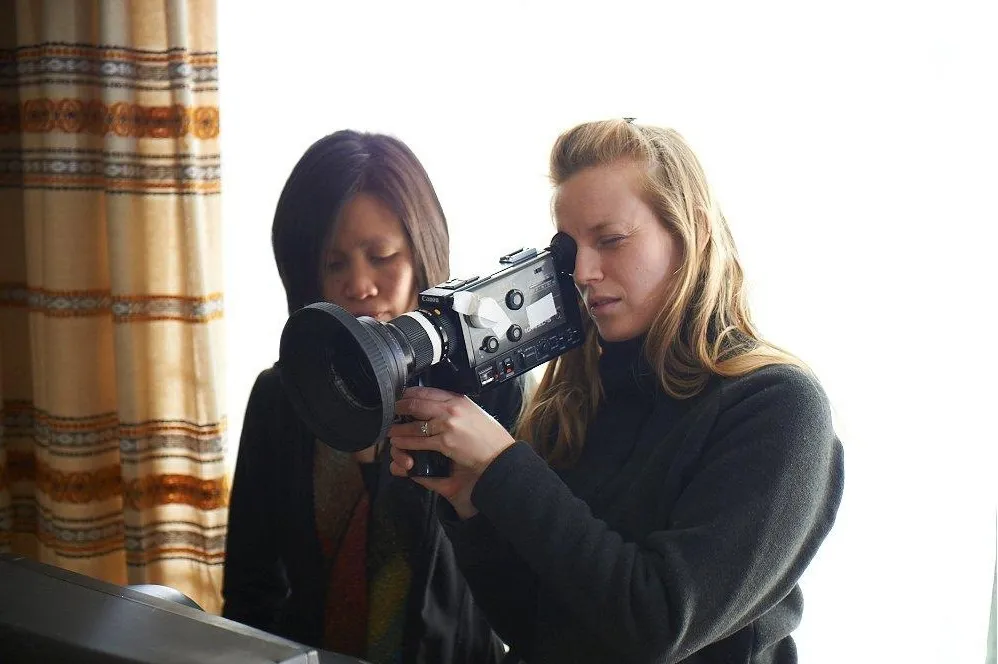
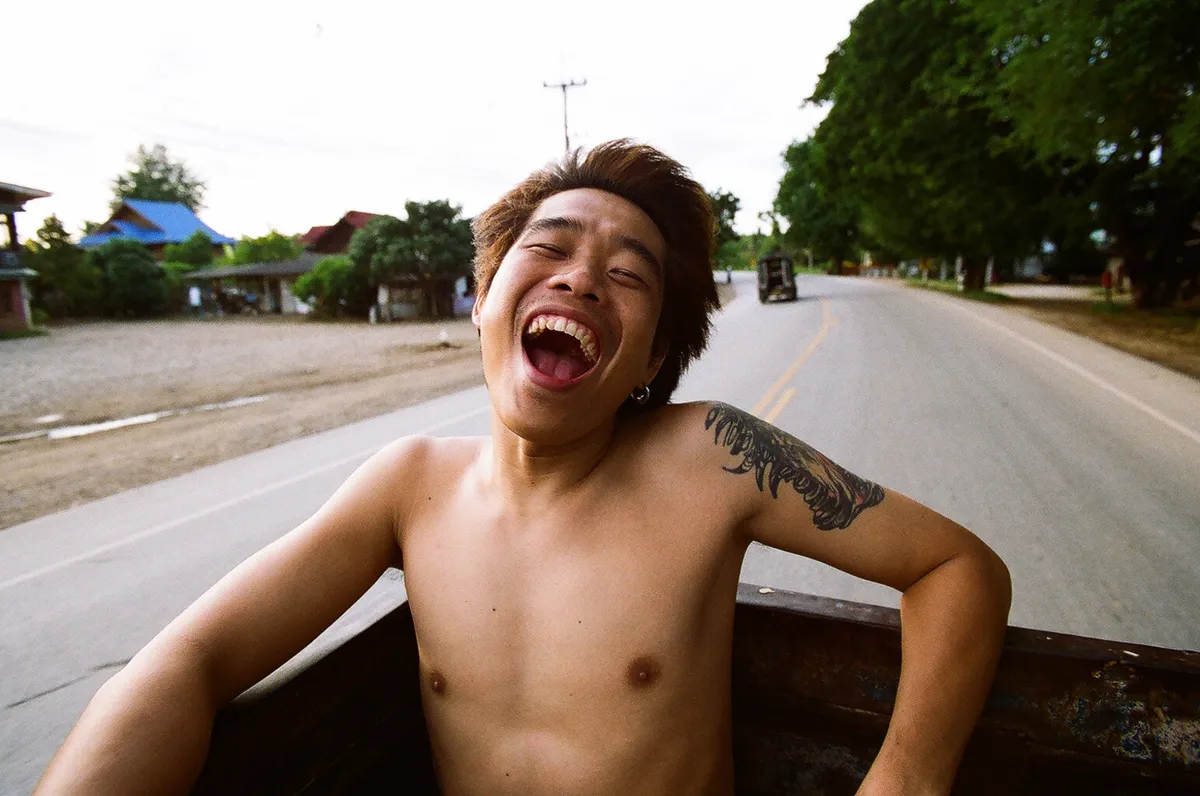

I’ve spent most of my career arguing that Mexicans should make Mexican films. I’ve felt angry whenever others made films about us because we were
Field Diversity, Equity, and Inclusion (DEI)
What I’m going to talk about today are three of those unseen practices in documentary filmmaking—compensating protagonists, empowering our crews, and questioning who is in leadership.
When we are fighting a pandemic and on the brink of environmental cataclysm and we can’t breathe and our children are locked in cages, what is our responsibility as artists?

This year’s virtual gathering of Getting Real ‘20 called for the redistribution of power within documentary practice and the removal of barriers
“When you are a member of a marginalized community, most film and television is not made with you in mind. And so, if you are a person of color, an
On Day 3 of Getting Real ‘20, we joined the breakout session “ Counteracting Extractive Storytelling In The American South And In Global Communities
Continuing the theme of #DecolonizeDocs that was first initiated at Getting Real ‘18, the 2020 edition’s first focused session on the South Asian
I am a white female filmmaker, a director of documentary films. Women, especially white women, have traditionally done better in documentaries than in
Narrative justice demands that those closest to the problem define that problem. This necessarily means a rearrangement of who stands behind the camera, but also requires tools to advance responsible, accountable filmmaking no matter the filmmaker.
Since March, filmmaker Juhi Sharma has been grounded in Chennai, India, where she's been working remotely on the post-production of The Vinyl Records