Oscar-nominated filmmaker Sami Khan ( St. Louis Superman) and immersive producer-sound artist-director Michael Gassert’s POV-premiering (October 3, and streaming on PBS.org through November 16) documentary The Last Out “explores the shadowy nexus of pro sports and the migrant trail,” according to its accurate, yet humbly incomplete, synopsis. This riveting, multiyear portrait of collective self-sacrifice, which follows a trio of Cuban athletes who leave their home island to pursue the American (baseball) dream, is much more than the sum of any catchy logline. Above all, it’s a heartfelt look
Latest Posts


Screen Time is your curated weekly guide to excellent documentaries and nonfiction programs that you can watch at home. Now more than ever, people are reclaiming narratives to ensure their voices are heard. Misrepresentations and tropes about marginalized groups in the media have been an issue since its inception. These documentaries are giving power back to the people and allowing often skewed stories to be steered straight. From POV, Nausheen Dadabhoy’s An Act of Worship, an IDA Enterprise Documentary Fund grantee, reflects on the experience of Muslim people in the US over the past 30 years
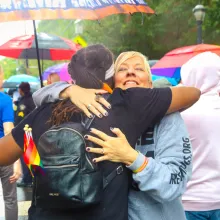
Have you ever had an experience that was so powerful it knocked you out of your body? And even as the event was still unfolding, the objective, analytical part of your consciousness was standing off to the side practically shouting, “Is this really happening? Or am I dreaming?!!” I’ve had the pleasure of this strange experience twice in the last few months at screenings for my new documentary, Mama Bears, which premiered in March at SXSW. The first time was during a Q&A session at the Seattle International Film Festival when a sweet-faced, middle-aged woman raised her hand to say she was an
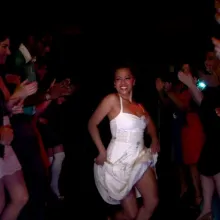
Screen Time is your curated weekly guide to excellent documentaries and nonfiction programs that you can watch at home. October is a month for expressions–whether it be through celebrating LGBTQ+ History Month, or syncing with the spooky season. This week’s list of documentaries highlights narratives, many of which are queer, rooted in self-expression in pursuit of fulfillment. From Outfest’s the outmuseum.org comes Pele (Skin), a short documentary by Adam Golub and Liana Nigri that shares the experiences of a trans teenager and activist living on the streets of Rio de Janeiro. Rather than

Winner of the Directing Award for US Documentary at this year’s Sundance Film Festival, Reid Davenport’s debut feature, I Didn’t See You There, is, according to the Stanford-trained filmmaker, a doc “about disability from an overtly political perspective”— i.e., the kind of cinematic project the TED fellow and one of DOC NYC’s 2020 “40 Filmmakers Under 40” has long been pursuing with his accolade-laden shorts ( A Cerebral Game; Wheelchair Diaries: One Step Up; Ramped up, et al). And it’s equally an art film; informed by the personally lensed work of visionaries ranging from Chantal Ackerman to

“Right now the system—that's the sad part of this collapsing system—is basically taking advantage that there are so many filmmakers that are clueless,” Cinema Tropical Co-Founder Carlos A. Gutiérrez shares out loud what everyone knows about distribution and exhibition. The system is broken and opaque, and the consolidation of the market is at an all-time high. The streaming giants are calling the shots, one true-crime show after another, having become de facto studios, distributors and exhibitors all at once—monopolies who decide what everyone watches. Yet, they also fund much of the system
A Letter From Hajnal Molnar-Szakacs, Director of Artist Accelerator Program at Sundance Institute Nonfiction storytellers and their work have been deeply impacted by recent world events, public health crises, and overdue reckonings. The impact on the field has been far-reaching and complex. This has manifested in various ways including the ongoing need to address sustainability, safety, and security, as well as a desire for holistic culture change to make the field more inclusive, accessible, and grounded in values-based ethics-first filmmaking practice. Six years ago, Sundance Institute and

For tourists, the Philippine island of Palawan is a tropical paradise. For illegal loggers, it’s a place to plunder one of the last great rainforests. For locals defending the trees in lieu of government action, it’s a deadly place to work. Delikado means danger in Tagalog. When Australian journalist Karl Malakunas set out to make his first film a decade ago, he was then Philippine bureau chief of Agence France-Presse and he wanted to make a film about eco-tourism there. But when his main contact was murdered, the project shifted to land defenders in general and the Palawan NGO Network Inc.

IDA's Logan Elevate Grant, which is made possible through the generosity of the Jonathan Logan Family Foundation, aims to uplift emerging filmmakers. This year, the grant program awards $30,000 to three women and nonbinary filmmakers of color directing feature-length journalistic documentary films. This year's grantees are Paige Bethmann, Chelsea Hernandez, and Zippy Kimundu. Growing up in Kenya, Kimundu says she saw her country through everyone else’s lens. She worked as an editor for 10 years, and while putting together a documentary for a British television station, she felt conflicted over
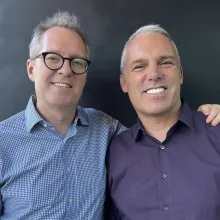
Editors’ Note: This year marks a leadership change at DOC NYC, the largest documentary festival in the United States. Jaie Laplante, the former director of the Miami Film Festival, takes the reins as DOC NYC’s artistic director from Thom Powers, who held the position for 12 years. In this interview, he describes the transition and talks to Laplante. The origin story of DOC NYC goes something like this. In the late aughts, Raphaela Neihausen and I were newly married and running a weekly documentary series called Stranger Than Fiction at New York’s IFC Center. The theater’s general manager, John