

When Judy Kibinge founded DocuBox, East Africa’s first independent documentary film fund, in 2013, she was already an accomplished Kenyan writer-director who had worked across fiction and documentary. She’d begun a creative career in advertising, becoming the first African Creative Director at McCann Erickson, and would soon become an instrumental figure in shaping contemporary East African cinema. Her films at the turn of the century include Dangerous Affair (2002), Project Daddy (2004), Killer Necklace (2009), and Something Necessary (2013), which premiered at the Toronto International Film Festival.
But it is in her role as founder and director of DocuBox that Kibinge has made the biggest impact in the region’s film industry. Since its inception in 2013, DocuBox has become a vital platform offering funding, visibility, mentorship, and countrywide screenings to independent regional filmmakers. DocuBox has supported films such as New Moon (2018), Softie (2020), Battle for Laikipia (2024), Khartoum (2025), and How to Build a Library (2025).
Supporting powerful, character-driven narratives that alter the audience’s perceptions of themselves, Africa, and the world, DocuBox films focus on brave characters living on the fringes: activists, women in male-dominated societies, and LGBTQIA+ couples. The documentaries have often premiered at IDFA, Sundance, and Hot Docs, among others, catapulting the films and their subjects to success and greater exposure. For instance, producer Toni Kamau (Battle for Laikipia, Softie, I Am Samuel), an IDA Board Member, has seen her critically acclaimed DocuBox-supported films recognized with awards and celebrated broadcasts and screenings worldwide. With over 120 films produced, DocuBox’s impact extends to community screenings in Kenya and Africa with the intention of challenging views, changing cultures, and crafting movements.
Shortly before she stepped down, Documentary caught up with Kibinge (whose short film Goat, her first in over a decade, premiered just last October) to discuss her tenure at DocuBox, what she’s learned from working in the Kenyan film industry, and why community has been so central to what she hoped to create. This interview has been edited for length and clarity.
DOCUMENTARY: You led DocuBox for more than a decade. What prompted your decision to step down?
JUDY KIBINGE: When we started DocuBox, I never dreamed I’d run it for 13 years. I thought we’d set it up, and as soon as it’s stable, I’d hire someone. I didn’t realize how difficult it is. When I talked about leaving, it just didn’t feel strong enough. Later, I noticed DocuBox runs itself.
D: Within Kenya’s film infrastructure, what was hardest about starting a film fund from scratch?
JK: I didn’t know what a film fund was. I’d made a lot of films, but I’d never received support from one. I had to understand how to raise money, from whom you raise it, where you keep it, and what the legal structures are. We started by researching what independent filmmakers needed; everyone talked about up-skilling, finances, and the need for labs where they’re working on real projects. Many people felt that if there was a Kenyan-run film fund, then somebody would be benefiting unfairly from it. So we were open and transparent, which won the trust of filmmakers. Initially, we were tight-fisted with the money because I needed it to go a long way. Ford Foundation granted us US$380,000 for research and setup, but we used the funds to grant, so we did a lot more than was expected.
D: Why?
JK: I really wanted it to succeed! There’s no point doing it for three years, get a Mercedes-Benz and walk off. At all these festivals, people were like, “Are you guys still doing that fund?” Because it took so long for the first films to come out! And now it’s unbelievable how many we’ve supported!
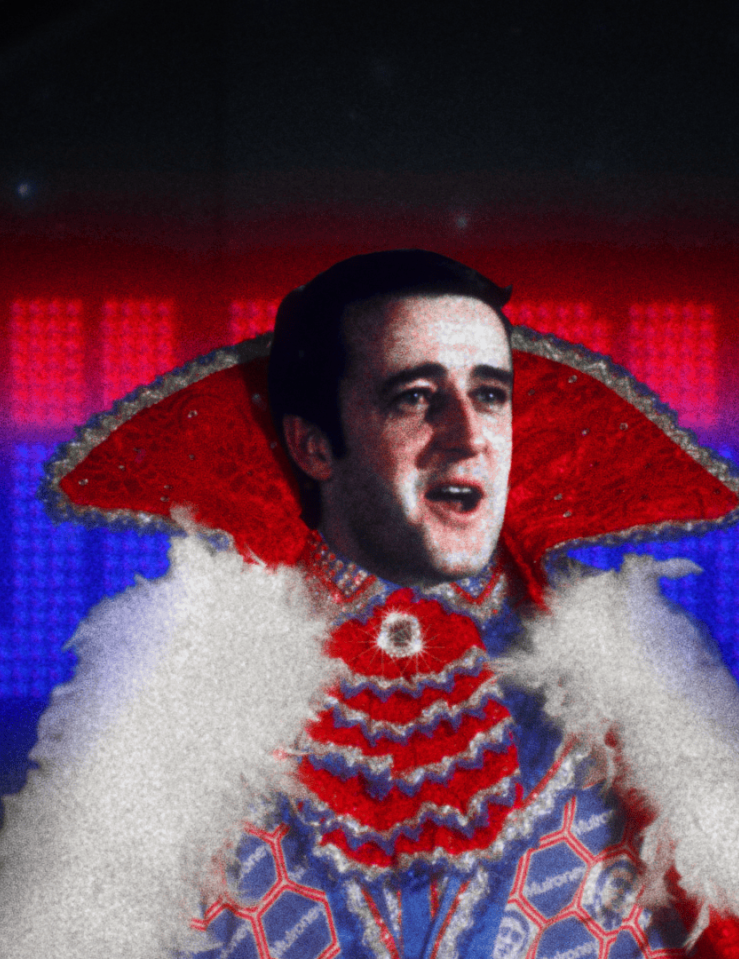
Softie.
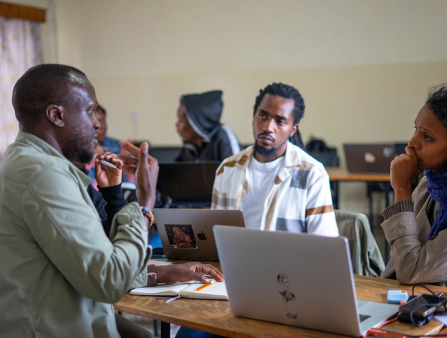
(L-R) Softie director Sam Soko, editor Jordan Inaan, and journalist Sela Oneko. Photo by Wambui Gathee
D: My feature doc, New Moon, was the first project completed by DocuBox. What did it teach you about supporting films?
JK: What I learned most is what we’re asking of the filmmaker; we’re granting you, but the money does not match the effort. Realizing the stress of having to raise the money, complete it and think about its afterlife, is such a long process! It’s not about handing money over to someone, it’s about how you can you take them through it. Sometimes they don’t even know where the money is coming from.
D: What were the biggest hurdles and successes of fundraising for DocuBox?
JK: I used to find it stressful to raise funds; it made me feel my relationship with partners was money-based. I felt like a hypocrite until I realized they’re not doing me a favor. We’re doing the work together, and that changed something. It’s relationships you’re investing in; they are not funding DocuBox, they’re buying into us. When it became clear that Susan [Mbogo] would be my successor, we did an incredible week-long fundraising course in New York. And we’ve become really good party throwers! People don’t know about you until you tell them who you are. But there’s one regret we didn’t get on quick enough; if we’d done New Moon now, we’d have demanded a front credit, because that’s how people know your name.
D: What are some of the challenges facing documentary filmmakers in the Global South today, and how has DocuBox tried to change this?
JK: Raising financing and the editing process. People think that there’s so much opportunity because of Netflix. But I think if you don’t have the subscriber numbers in your country, then Netflix doesn’t give you money. They’ve never bought a DocuBox film, some of which are award-winning, leading me to conclude that films that are politically sensitive or about social change don’t fit the boxes of most streamers. But back to editing: finding great editors who understand stories is difficult everywhere. I’m glad that we have Kenyan production houses like LBx [Africa], which care about supporting the documentary editing process. There are a lot of DocuBox films that they’ve given a discounted rate to, or don’t charge, or come in as an executive producer on. I think we can only succeed if we work together in this way.
D: How has East Africa’s documentary landscape evolved these past thirteen years?
JK: A lot! Battle for Lakipia came out [in 2024], and Kenyans filled those cinema halls! Same thing for How to Build a Library. People are really showing up for it. We’re finally building a documentary appetite, and it’s still not exploded! On our very first call [for submissions], we got maybe 25 submissions. For this last one, we had 200. There’s more awareness, and competition is stiff. It’s harder and harder to select. When people realize they can make their own films, I think they’re less inclined to lean on someone who may take their autonomy or voice.
I think the word ‘impact’ gets misused. It just means: What do you want your film to do in the world? How do you want it to hit people?
— Judy Kibinge
D: DocuBox has built and nurtured a community of filmmakers and a growing documentary audience. Why prioritize this?
JK: Community is really important because of my own experience of making documentaries. You’re struggling; maybe your editor has vanished, and you don’t have anyone to talk to or show your cut to. It’s very lonely, especially when you’re not working with large crews. It was also important at work. I didn’t want to work anywhere I’d feel reluctant to go to. You’d better be happy when you’re in that office.You better like your colleagues!
D: Did you all invent Shorts, Shorts & Shots?
JK: We used to have monthly documentary screenings, but I noticed docs can be really heavy. Josh, my husband and our Head of Strategy, and I had a strange concept. We wanted a screen in a boxing ring. Then in the office, I said, “We should have shorts and serve shots at the same time.” Then Njonjo [Kiroga], our then-operations manager, said, “And we can wear shorts!” I thought that was so funny! Initially, we’d do it in a cinema, but it felt strange going home to put on shorts. We felt it needed to be on a Sunday, when you wake up, put on your shorts, and know it’s going to be a really fun event. We’ve had them in South Africa, Uganda, and Tanzania. But it really needs fiction, as short docs always feel heavier.
D: Thank You for the Rain (2017) was one of the first projects part of your impact slate. May you share the success of this or other campaigns? How do you measure it?
JK: The Norwegian filmmaker Julia Dahr partnered with the film’s characters, a farmer, Kisilu, who shot a lot of it. Emily Wanja came on as the impact producer and went all in; she translated it into Kamba for the community’s audience. She went to Kitui with Kisilu and asked what they wanted; they said an earth dam. I remember having a sinking feeling of, “Oh my God, now we’re going to construct dams, and we’re a film fund.” But what Emily was able to do with US$4,000 was phenomenal! The land of three or five acres was donated by a farmer from the area. We hired a monitoring and evaluation person who would go see the progress every month or so. I don’t think it’s our job to measure impact, but it’s fascinating that a film could bring a dam to a community that 300 families use now.
D: So, impact is important to DocuBox?
JK: It’s not something that we prescribe or tell filmmakers to do. This is driven more by them, rather than just showing their film at the cinema all week, it’s good if there is something more that they want for it. I think the word “impact” gets misused. It just means: What do you want your film to do in the world? How do you want it to hit people? It might be that you want every school child to see it because they’ll get a better sense of their history. Or you want people to be aware of climate change. For example, Sam Soko wanted Softie to impact Kenyan voters at election time.
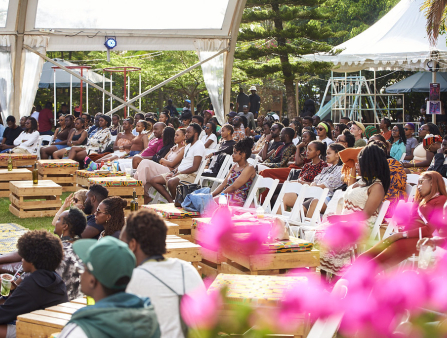
Shorts, Shorts & Shots. Photo by Humphrey Gateri.
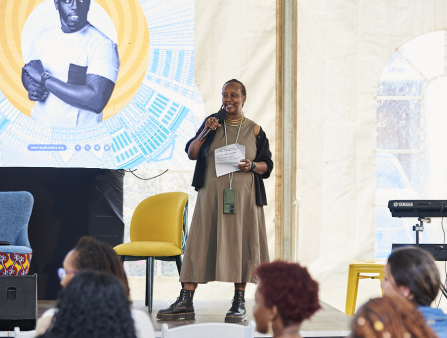
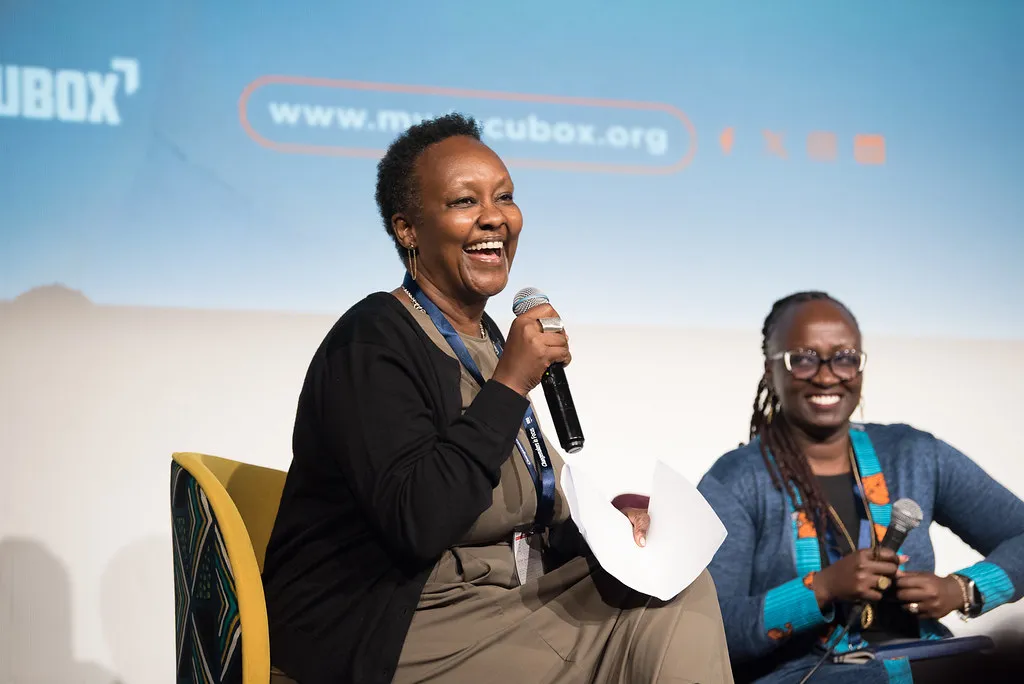
Judy Kibinge. Photo by Humphrey Gateri.
D: What are your thoughts now on current distribution channels within Africa?
JK: It’s not just a Kenyan or African problem; everybody’s biggest problem is distribution. People are not able to make money from it. There may appear to be all these avenues of distribution, but are they really there? You might want to get on Netflix, but does Netflix want you? Or they may offer to buy your film for US$10,000 after seven years of work. Our cinemas, if you take away Unseen (Nairobi's independent cinema house), are notorious for refusing to put on content they feel won’t drive large audiences. Once upon a time, there was a broadcaster you’d chase, but broadcasting doesn’t have the same reach it used to. We see some innovations, though. Philit Productions held a premiere last year for 6,000 people in Nairobi. They turn their screenings into parties with a DJ afterwards. With a large social media following, they ask people to vote for what they’d like them to make, so people know they’ll watch that film.
D: You’ve often talked about making DocuBox self-sufficient and not only reliant on traditional funding bodies. May you share some ideas?
JK: We’d like a custom-built home for DocuBox, and KEJA has come from this: that’s one thing we’re trying to raise funds for. The idea has grown a bit larger than something that exists purely for DocuBox. We see it having a real estate part, with a hotel, a cinema, a restaurant, a co-working and podcasting space. It’s like a film, fashion, and gaming space in this single 3.2-acre property.
D: Any thoughts on East Africa’s filmmaking future?
JK: I’m excited for this new phase of storytelling, not just for me, but for Kenya and Africa. There’s something about collectively seeing the same thing on screen, to collectively recognize your own country’s issues. Being united as an audience is what changes and influences culture. There are many things that need to change in this country and on this continent. Many of our films are beginning to hold ourselves and our leadership to account. Storytellers are a danger to dictatorships because if you change the narrative, you change everything; you change the country.