

When it came to the nonfiction slate, SXSW 2026 was less packed with artistry than with “content.” The golden age of documentary has now firmly given way to the not-so-golden age of streaming slop. Such a turn at SXSW shouldn’t come as a surprise since the massive event has long taken its home state’s “everything is bigger in Texas” slogan as a mission statement. Over the past decade, the cross-media festival (which bills itself as bringing music, film, tech, and comedy together) has increasingly turned toward building partnerships with an untold number of even more massive corporations that care less about “keeping Austin weird” than keeping safe, comfort-food content king.
Thus, the vast majority of films I caught in the admittedly overwhelming lineup (it’s SXSW after all) fell easily into predictable categories. For anyone hungry for works that defy categorization, that’s nothing short of frustrating.
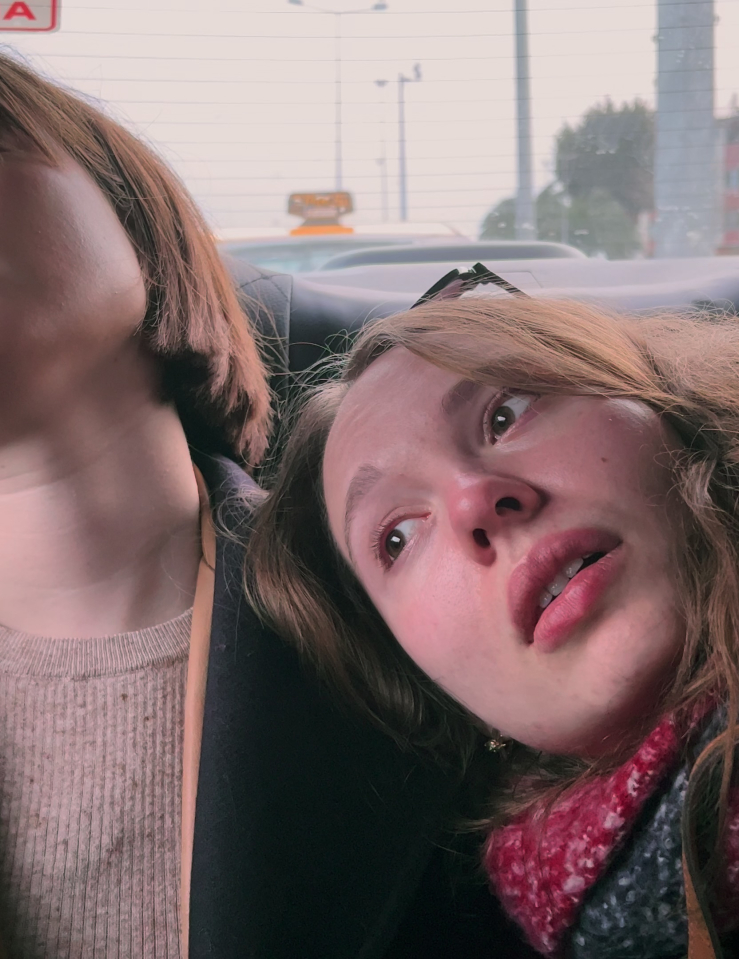
Unsurprisingly, the lineup included titles that fit neatly into commercially minded boxes. There were adventure docs like The Ascent that followed the formula of “athletic explorer overcomes both personal and physical adversity” (and had a true-crime twist to boot). Meanwhile, My Brother’s Killer trod the marketable true-crime fare (and with a marketable social justice angle to boot). But there were also a surprising number of films dealing primarily with social justice issues, including Baby/Girls, which felt engineered more to reaffirm liberal values than to challenge the audience’s (or even a director’s) safely held assumptions. If there is a throughline to be found in such projects, it’s the sense that these docs seem to be locked into a neat pre-pro outline that often prevents them from letting those in front of the lens lead the way.
Yet despite all this, as I noted in last year’s dispatch, the Austin event remains a worthwhile festival for small discoveries, especially American-made ones. Coming on the heels of both Sundance and the Berlinale, it’s a refreshingly non-elitist gathering as well. And so, while every nonfiction title in the Festival Favorite section—“acclaimed standouts from festivals around the world” that included Cookie Queens, Joybubbles, and Time and Water—actually came straight from Sundance, there were a handful of gems buried under the buzz that made this edition’s dig worth it.
An initial surprise was Amber Love’s One Another, a quiet find that patiently unfolds over the course of three years. The film follows several of the filmmaker’s loved ones as they come to terms with intimate friendships that change and fracture over time. Joe is moving from the East Coast to the West to start a new life, leaving behind Roni, a woman he bonded with over their shared queerness, and who showed him the meaning of unconditional love. Giorgia is still struggling to unpack the mental health crisis that caused her to abruptly cut ties with her longtime best friend, Alexa. Lorri is the eldest, an empty-nester Gen Xer who now barely speaks to Lisa, the fellow single mom who acted as caregiver during the cancer treatments Lorri undertook immediately after giving birth to the doc’s director.
It’s a deceptively simple premise that transforms into a profound exploration of how people’s desires, needs, and expectations change over time—and not always in sync with those closest to them. And the implicit trust Love shares with her protagonists allows her to take them to often painful but necessary places in skillfully artistic ways. When Lorri invites Lisa over for drinks and a tension-filled game of cards, Love’s camera zooms in on facial expressions and body language. The visual subtext she captures speaks louder than any chitchat. Since there are no home movies of Giorgia and Alexa, the director stages scenes with two young actors, one of whom, playing Giorgia, divulges a similar class divide with a close friend. “From rupture, you can get the end of relationships, or you can find a new plane of existence with them,” Giorgia ultimately learns. Or one might just encounter, as Lisa puts it towards the end, “a new friendship with a beautiful past.”
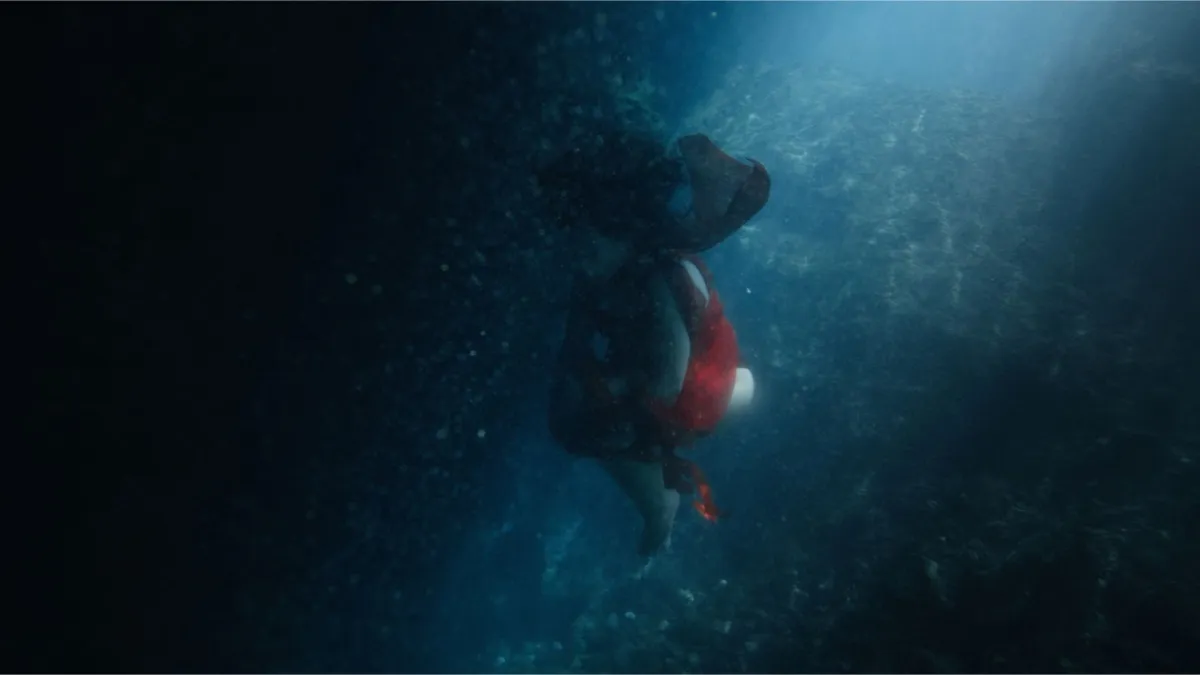
Paula Cury’s Scarlet Girls is another film helmed by a thought-provoking woman of color who wasn’t on my radar. Although reproductive rights have been rapidly deteriorating throughout the United States, Cury’s doc offers a beautifully-crafted reminder that other nations, like our nearby neighbor, the Dominican Republic, have been fighting for that basic right to abortion for years. Shockingly, the top tourist destination in the Caribbean likewise remains one of the few countries where the procedure is criminalized without exception. For many women, as the film suggests, especially the young and poor, that means residing in a dystopian nightmare where bodily autonomy remains an elusive pipedream.
Seen through the stories of five anonymous women who’ve lived the consequences of forced motherhood and underground abortions, the DR-born director’s doc puts archival material to deft use, combining painful testimony with patient artistry. And because the quintet’s faces are not revealed, they can speak candidly as we watch images of everyday women and girls going about their daily lives at home. Remarkably, through this simple pairing of VO subtext with poetic visuals, we get a collective portrait of trauma that has been accepted and normalized across multiple generations. And, disgracefully, for generations to come.
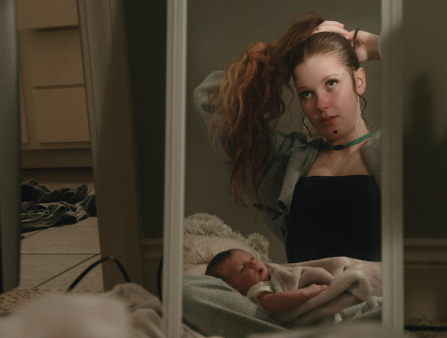
Baby/Girls. Photo credit: Cassandra Giraldo
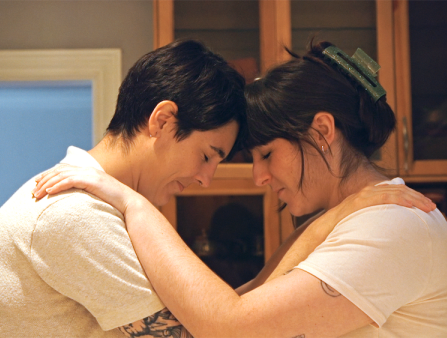
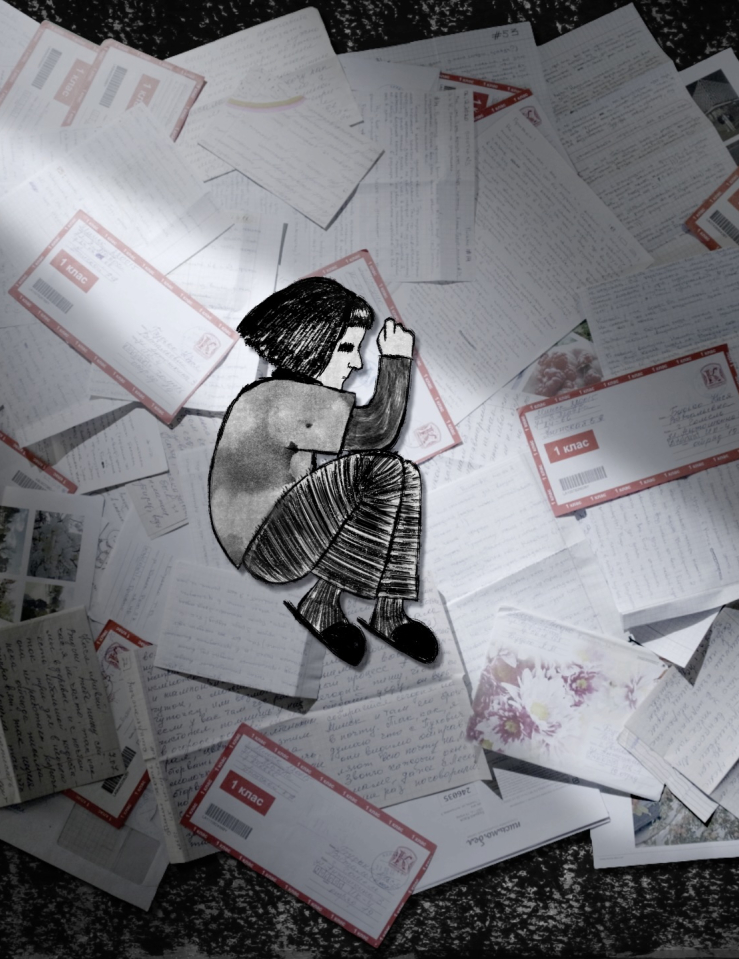
One Another. Photo credit: Amber Love
An elderly generation features prominently in Beth Harrington’s intriguingly titled Beyond the Duplex Planet. The doc follows David Greenberger, an out-of-the-box artist who’s spent his life using nursing homes and senior centers as his canvas. His idiosyncratic career began in the late 70s when, fresh out of art school and in need of a job, Greenberger became activities director at Boston’s Duplex Nursing Home, and its residents quickly became an unlikely muse. (Harrington, an Emmy-winning producer-director-writer and former member of the proto-punk band Jonathan Richman & The Modern Lovers, has known Greenberger since they first met in the Boston rock scene around that same time.)
Segueing easily between contemporary and archival footage, the film paints a head-spinning portrait. We witness a young Greenberger earnestly plying his amiable collaborators with questions that seem designed to elicit no answers (correct or not) at all: “Which do you prefer: coffee or meat?” “Who invented sitting down?” These whimsical exchanges soon formed the basis for The Duplex Planet, a zine that began in 1979 and ultimately found an enthusiastic audience with the counterculture crowd (though not with the residents themselves, who found the whole enterprise rather boring). From there, the planet expanded into an entire solar system, including a book, a comics series, albums featuring an eclectic array of musicians, and, eventually, the spoken-word/music performance The Duplex Planet Hour. (Greenberger claims his allegiance was always to the ideas, not the medium.) Along the way, he gathered fans as diverse as pop artist Ed Ruscha (who refers to his oeuvre as “media jumping”) and magician Penn Jillette, who says that Greenberger “was able to get rock snobs to care about the elderly.” Fellow artist Wayne White even proclaims Greenberger’s creations akin to “human jazz.”
Yet the humble Greenberger (Louie Pérez of Los Lobos notes that he refers to himself as an artist the way someone would call themselves a plumber) often feels compelled to correct the record. And it’s through Harrington’s ability to deeply and patiently listen that the portrait grows more remarkable by the minute. We soon learn that his work, in fact, was never about aging, but simply “the mechanics of getting to know somebody else.” In fact, like the feminist conceptualist Mierle Laderman Ukeles, star of Toby Perl Freilich’s excellent 2025 doc Maintenance Artist, Greenberger found inspiration in the collective work we do every day (from washing dishes to taking out the trash). He viewed his day job as an ongoing creative project. As his star rose, invitations poured in from around the country, allowing him to meet more seniors and create more art. And more life-affirming experiences. As the director of a Santa Ana nursing home remarks, most elderly individuals are asked about their history, their pasts. Greenberger, however, is only interested in what they’re doing in the present. Little surprise, then, that the now 71-year-old interaction-seeker continues his mission to elevate every human connection into a work of art.
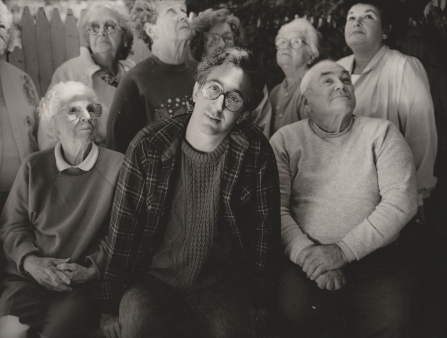
Beyond the Duplex Planet. Photo credit: Len Irish
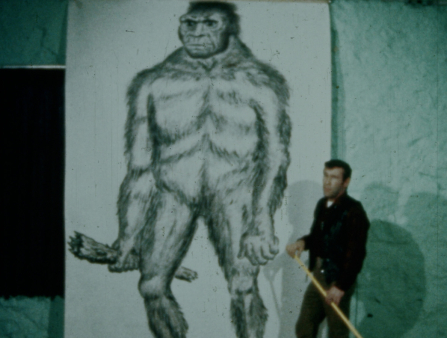
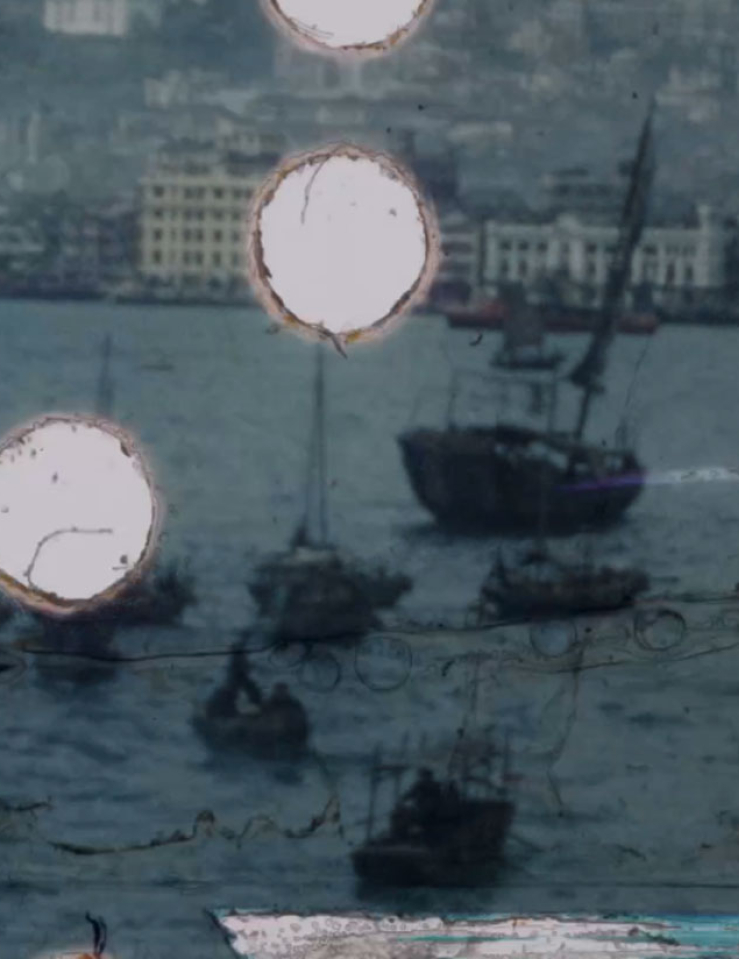
Capturing Bigfoot. Photo credit: Roger Patterson
Finally, there was the film I watched with utmost skepticism that ended up defying expectations. Its title, Capturing Bigfoot, after all, screams “binge-watch schlock.” When it comes to the most analyzed and contested footage in American history, the name Patterson–Gimlin is right up there with Zapruder. Shot on October 20, 1967, four years after the assassination of JFK, the former film featured a shaky 59 seconds of an ape-like creature with a distinctive gait and bosom strolling through the woods. According to Roger Patterson, the cowboy (and con man?) holding the camera, it was a Sasquatch, the mythical creature said to roam the Northern California wild. As to whether the 16mm short was proof or a hoax, the question has divided folks, most notably Patterson’s own loved ones, to this very day.
And now filmmaker Marq Evans (Claydream) has trained his own lens on the unexpected backstory behind the debated images, open-mindedly listening (off camera) to the personal “truths” of everyone from Patterson’s devoted son, Clint, to the now elderly men (with still conflicting accounts) who were there the day the infamous footage was shot. Along the way, he’s able to gain access to a mysterious reel, hidden inside a safe for over half a century, that will unlock the unvarnished truth once and for all.
Yet even more remarkable is that by the closing credits, Evans has subtly reframed this murky tale as a Shakespearean drama, one more reminiscent of The Treasure of the Sierra Madre (1948) than of any monster movie, with Bigfoot cast as a hairy MacGuffin. So is the Patterson-Gimlin a work of fiction? Do Sasquatches exist? And who’s to say the giant critters couldn’t still be out there even if one was staged? These questions fade in the shadow of a painfully real story of friendships destroyed and families torn apart; all by the lies and greed one human’s creation (a character calls Patterson’s footage a “curse”) ultimately has wrought.